Whispers of the World: How Thoughtful Travel Rewrites the Journey
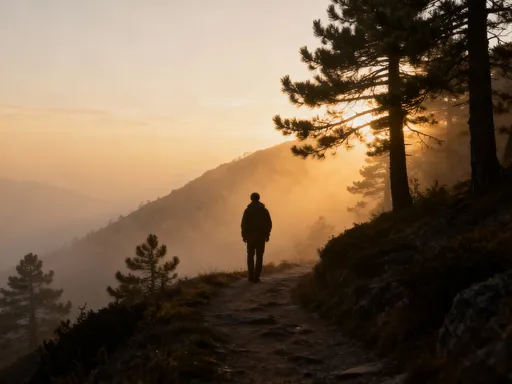
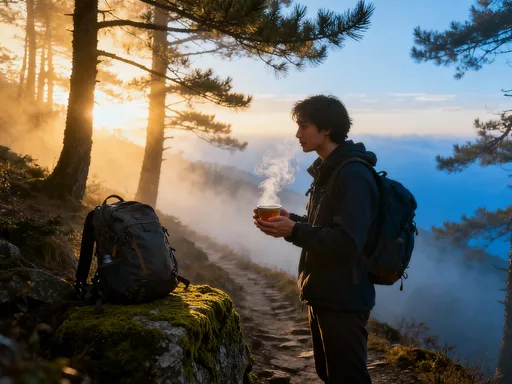
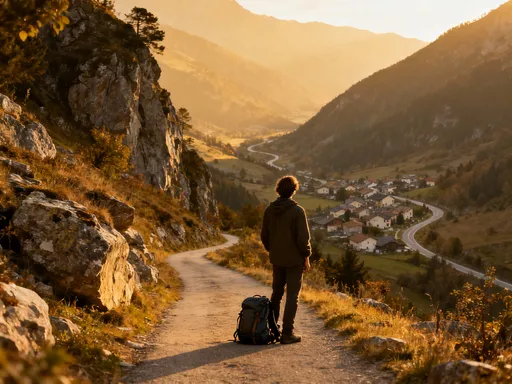
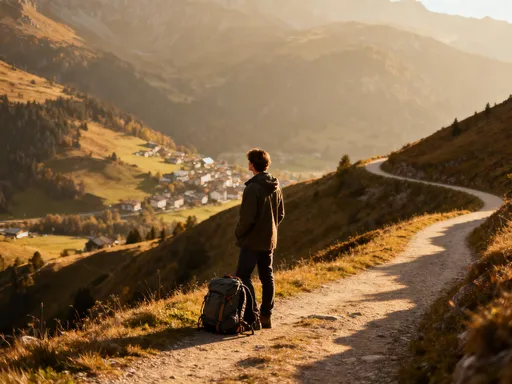
Travel is no longer just about places—it’s about presence. In a world rushing from landmark to landmark, the true magic lies in choosing destinations with intention, moving with awareness, and returning changed. This journey isn’t measured in miles, but in moments of clarity, connection, and quiet wonder. From misty mountain trails to sunlit village markets, each step can be a note in a deeper rhythm. Whispers of the World explores how mindful choices elevate travel from spectacle to significance—transforming not only how we see the world, but how we see ourselves.
The Art of Presence in Motion
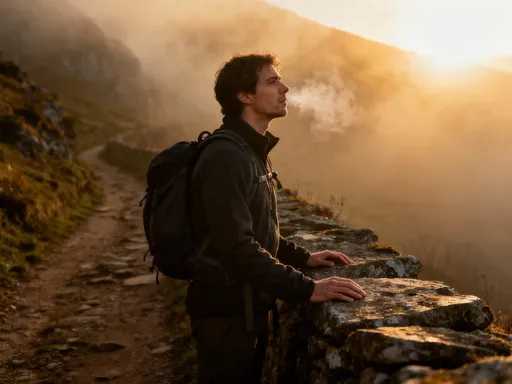
Modern travel often resembles a checklist: arrive, photograph, move on. But beneath the surface of this efficiency lies a quieter, more fulfilling path—one grounded in presence. To travel with awareness is to shift from passive observation to active immersion. It means engaging the senses fully: feeling the cool mountain air on your skin, hearing the distant chime of temple bells, tasting the salt on a sea breeze. This kind of attention transforms fleeting moments into lasting imprints, not just in memory, but in the soul.
Research in cognitive psychology supports this shift. Studies show that travelers who practice mindfulness—intentional focus on the present moment—report higher levels of satisfaction, deeper emotional connections, and longer-lasting recollections of their trips. The brain encodes experiences more vividly when attention is undivided. In contrast, the multitasking tourist, scrolling through maps while snapping photos, often forgets details within weeks. Presence is not a luxury; it’s a cognitive upgrade.
Practicing presence begins with simple, deliberate habits. Journaling for ten minutes each morning or evening helps crystallize the day’s impressions. Sensory check-ins—pausing to identify three sounds, two textures, and one scent—anchor the mind in the now. Equally important is setting digital boundaries. Limiting screen time, especially during transit or meals, creates space for real engagement. Turning off notifications doesn’t disconnect you from the world; it reconnects you to the experience.
The philosophy here is simple: slowness amplifies depth. A single hour spent watching sunlight drift across an ancient courtyard can yield more meaning than a day sprinting through museums. It’s not about doing less, but about allowing more to happen within what you do. When presence becomes the priority, travel ceases to be a series of transactions and becomes a practice of being.
Destination Alchemy: Choosing with Purpose
Selecting a destination is more than a logistical decision—it is an act of self-expression. The places we choose reflect who we are, who we hope to become, and what kind of experience we seek. Thoughtful travel begins long before departure, with introspection: What rhythm do I need? Am I seeking solitude or connection? Do I crave stillness or stimulation? Answering these questions aligns the journey with personal values, ensuring that the destination resonates on a deeper level.
Yet, the allure of “hidden gems” can be misleading. Just because a place is off the beaten path doesn’t mean it’s right for you. Context matters. A remote village may offer authenticity, but if it lacks basic accessibility or cultural openness, the experience could feel strained rather than enriching. The goal is not novelty for its own sake, but harmony between traveler and place. A destination that matches your energy level, pace, and interests will yield a more natural, fulfilling experience.
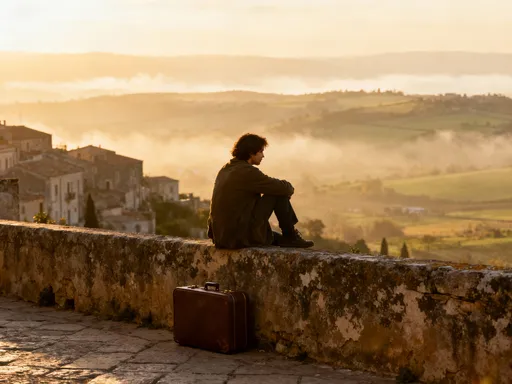
Practical tools can guide this alignment. Consider seasonality: visiting Tuscany in July offers vibrant colors but also crowds; in October, the hills glow with harvest gold and the air is crisp with fewer tourists. Evaluate cultural openness: some communities warmly welcome visitors, while others maintain privacy by design. Infrastructure balance—the presence of reliable transport, accommodations, and local services—can make the difference between comfort and constant stress.
Take, for example, two Mediterranean villages. One is nestled on a quiet coastline, known only to regional travelers. The other, just fifty miles away, has become an Instagram-famous hotspot. The first offers slow mornings at family-run cafes, spontaneous conversations with artisans, and walks along untouched coves. The second boasts charming alleys and turquoise waters, but also long lines, inflated prices, and locals weary of constant photography. Through the traveler’s lens, the popular site delivers visual rewards. But through the local lens, the quiet village thrives on mutual respect, while the crowded one struggles with disruption.
Choosing with purpose means weighing these perspectives. It means asking not just “What will I gain?” but also “What impact will I leave?” When destinations are selected with intention, travel becomes less about consumption and more about communion.
The Rhythm of Arrival
The first 24 hours in a new place shape the entire journey. This initial phase is not merely logistical; it is psychological. How a traveler transitions from departure to immersion sets the tone for days to come. A rushed arrival, marked by harried check-ins and immediate sightseeing, can leave the mind fragmented and the body tense. In contrast, a mindful entry creates space for acclimation, curiosity, and openness.
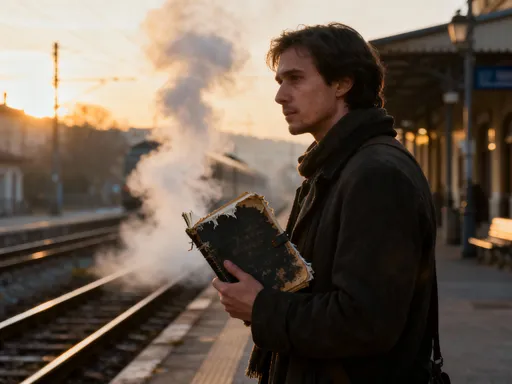
The key is to treat arrival as a ritual, not a hurdle. Consider the route from airport to accommodation. Opting for public transit or a leisurely walk, when possible, allows the landscape and energy of the place to gently unfold. Watching daily life from a train window or city bus offers richer context than a direct taxi ride. These quiet moments of observation help recalibrate the nervous system, easing the shock of displacement.
Once settled, ritual unpacking can ground the experience. Rather than stashing belongings in drawers, take time to arrange essentials with care: hang your favorite scarf, place a small photo on the dresser, brew a familiar tea. These small acts of domesticity create continuity between home and abroad, reducing anxiety and fostering a sense of belonging.
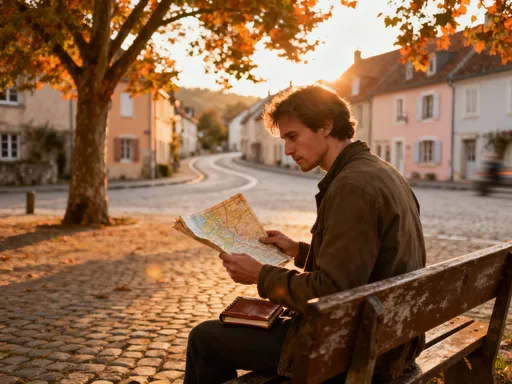
Another powerful practice is walking without maps. On the first day, resist the urge to plan. Instead, step outside and wander with no destination. Let curiosity guide you—toward the smell of baking bread, the sound of children laughing, or the sight of a shaded plaza. This aimless exploration activates a different kind of intelligence: intuitive, sensory, and receptive. It primes the mind to notice rather than chase.
Pacing during arrival also influences long-term satisfaction. A study of long-haul travelers found that those who dedicated their first day to light activity reported lower stress levels and greater enjoyment throughout their trip. The body needs time to adjust to new time zones, diets, and social rhythms. By honoring this need, travelers create a foundation of calm from which deeper experiences can grow.
Navigating Like a Local, Not a Logger
How we move through a place defines the quality of our connection to it. Too often, tourists function as loggers—extracting images, data, and experiences without contributing anything in return. They snap photos of street vendors without buying, imitate local customs without understanding, and treat cities as backdrops for selfies. This transactional mindset reduces rich cultures to content, leaving little room for authentic exchange.
In contrast, navigating like a local means participating with humility and curiosity. It begins with language. Learning three essential phrases—“Hello,” “Thank you,” and “How are you?”—in the local tongue does more than facilitate communication. It signals respect. It opens doors. A shopkeeper in Granada smiled broadly when a visitor greeted her in halting Spanish, then invited her to taste homemade almond cookies. That small exchange became a highlight of the trip—not because it was picturesque, but because it was human.
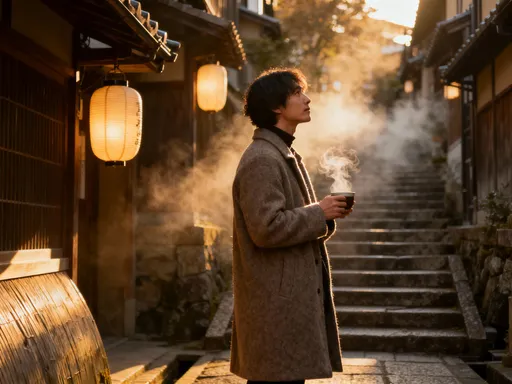
Using public transport mindfully is another act of participation. Riding a bus in Kyoto, a traveler noticed elderly passengers offering seats to tourists. Instead of accepting passively, she began offering her seat in return, creating a silent chain of kindness. These small gestures shift the dynamic from observer to participant. They transform travel from extraction to reciprocity.
Reading urban textures—noticing architectural details, street art, or the way light falls on a cobblestone street—deepens understanding. A city is not just a collection of attractions; it is a living organism with history, rhythm, and mood. Walking its streets with attention reveals layers invisible to the hurried eye. A faded mural in Lisbon, a patterned tile on a Lisbon alleyway, the daily routine of a fish market in Marseille—these are the quiet narratives that give a place its soul.
The shift from documentation to participation leads to richer stories. Photos fade, but memories of connection endure. When travelers prioritize presence over proof, their journeys become less about proving they were there and more about discovering what it means to be there.
The Hidden Architecture of Itineraries
An itinerary is not a cage; it can be a scaffold. The paradox of travel planning is that structure, when applied with restraint, actually enables freedom. A well-designed schedule provides anchors—key moments that give the trip shape—while preserving space for the unexpected. The art lies in underdesigning: leaving room for chance encounters, extended conversations, and spontaneous detours.
Data supports this approach. A 2022 travel behavior study found that trips with approximately 40% unstructured time reported higher joy metrics and greater perceived value. Travelers who rigidly filled every hour often felt exhausted and dissatisfied, as if they had accomplished much but experienced little. In contrast, those who balanced must-see attractions with open space described their journeys as “fluid” and “alive.”
Effective frameworks begin with anchor moments—intentional experiences that form the trip’s backbone. These might include a guided tour of a historic site, a reservation at a renowned local restaurant, or attendance at a cultural festival. Anchors provide focus and meaning. But between them, the day should breathe. Allow for lingering over coffee, discovering a hidden garden, or striking up a conversation with a local artist.
Consider a visit to Florence. The Uffizi Gallery is a must-see, but scheduling it for two hours mid-morning creates a natural flow. Afterward, instead of rushing to the next museum, allow time to sit by the Arno River, watch the light shift, and process what was seen. That pause isn’t wasted time; it’s integration. It allows the mind to absorb, reflect, and make connections.
Another strategy is thematic spacing. Group similar activities but separate them with contrast. A morning at a bustling market might be followed by an afternoon in a quiet monastery garden. This rhythm mirrors the natural ebb and flow of energy, preventing sensory overload. It also mirrors the structure of a well-composed piece of music—alternating movement and rest.
Flexibility is the ultimate luxury. When plans change—a museum closes, rain delays a hike—the unstructured traveler sees opportunity, not failure. A canceled boat tour in Greece led one family to spend the day at a seaside taverna, where the owner taught the children to play backgammon and shared stories of island life. That unplanned day became the heart of their trip.
Travel That Leaves Lighter Footprints
Sustainable travel is no longer optional; it is essential. But sustainability extends beyond environmental concerns to include cultural integrity, economic fairness, and personal responsibility. Thoughtful travelers recognize that every choice—where to eat, where to sleep, what to buy—has ripple effects. The goal is not to minimize presence, but to ensure it leaves a positive imprint.
Practical ethics begin with spending. Choosing community-run lodges over international chains keeps revenue local. Staying in a family-owned guesthouse in Oaxaca, for instance, supports a multigenerational household and preserves traditional craftsmanship. Similarly, dining at seasonal eateries that use regional ingredients sustains local agriculture and offers fresher, more authentic meals.
Transportation choices matter. Opting for trains over short-haul flights reduces carbon emissions and enhances the journey. A rail trip through the Swiss Alps isn’t just eco-friendly; it’s immersive. Passengers watch glaciers glide by, share snacks with fellow travelers, and arrive refreshed rather than drained.
Low-impact excursions are equally important. Instead of crowded tourist hikes, seek out trails managed by conservation groups or indigenous cooperatives. In New Zealand, guided walks led by Māori elders combine ecological education with cultural storytelling, offering depth that standard tours lack. These experiences honor the land and its stewards.
What travelers carry also reflects their values. Avoid single-use plastics; bring a reusable water bottle, shopping bag, and cutlery set. These small acts accumulate into meaningful change. More significantly, carry an attitude of humility. Approach sacred sites with reverence, ask permission before photographing people, and listen more than you speak.
Sustainability is not about sacrifice; it’s about alignment. When travel choices reflect care for people and planet, the experience becomes richer, not diminished. A quieter beach, a heartfelt conversation, a meal shared with locals—these are not lesser rewards. They are the essence of meaningful travel.
The Return: Carrying the Journey Home
The journey doesn’t end at departure; it continues in the return. Yet, this phase is often neglected. Travelers rush back to routines, unpacking bags but not insights. The true transformation occurs not during the trip, but in the integration of what was learned, felt, and seen. Coming home is not a conclusion; it’s a continuation.
Strategies for integration begin with reflection. Setting aside time in the first week back to journal, sort photos with intention, or sketch memories helps solidify the experience. Questions like “What surprised me?” or “How did I change?” invite deeper understanding. Some find value in a “re-entry ritual”—lighting a candle, playing music from the trip, or preparing a dish from the destination. These gestures honor the transition.
Curated souvenirs also play a role. Rather than collecting trinkets, many mindful travelers bring back single, meaningful objects: a hand-carved spoon from Norway, a piece of indigo cloth from Mali, or a small ceramic cup from Japan. These items are not decorations; they are anchors of memory, used daily to recall moments of connection.
Storytelling with purpose amplifies the journey’s impact. Sharing experiences not to impress, but to inspire, creates ripple effects. A mother who visited a women’s cooperative in Rajasthan might start a local fair-trade group. A teacher returning from Kyoto might design a classroom unit on mindfulness. In this way, travel becomes a seed, planted in the community.
The most profound truth of thoughtful travel is this: the journey ends where it begins—with you. Every destination, every encounter, every quiet moment of reflection shapes a deeper self. And when that self returns home, it carries not just stories, but a renewed way of seeing. The world whispers its wisdom to those who listen. The challenge is not just to hear it, but to let it change us—and through us, to change the world in turn.