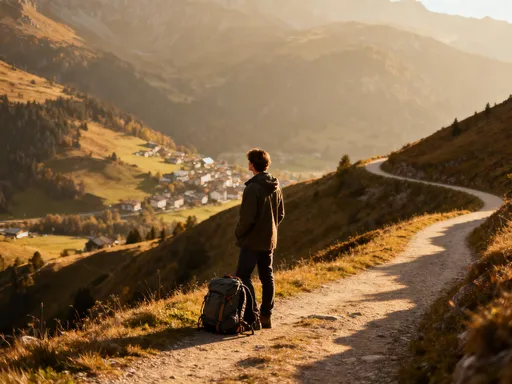
Where the World Whispers Back
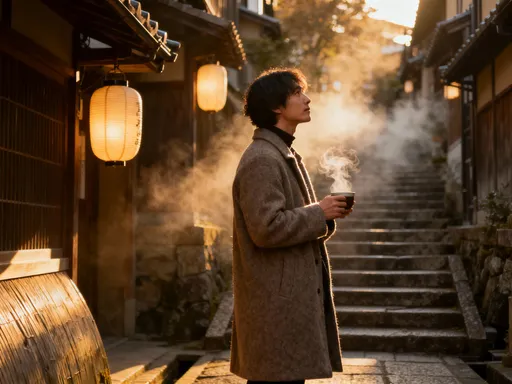
Journeying is no longer just about ticking landmarks off a list—it’s about transformation through immersion. Every step taken in a foreign land rewires perspective, every local conversation reshapes understanding. With the right approach, travel becomes more than escape: it evolves into a disciplined art of presence, curiosity, and intentional choice. From the mist-laced alleys of Kyoto to the sunbaked markets of Marrakech, the most meaningful experiences are shaped not by chance, but by preparation, awareness, and purpose. This is the new way to wander—mindfully, wisely, and deeply.
The Quiet Revolution of Conscious Travel
In recent years, a quiet shift has taken root in the way people explore the world. No longer satisfied with fleeting snapshots and crowded tourist trails, modern travelers are seeking experiences that resonate on a deeper level. This movement, known as conscious travel, represents a fundamental reorientation—from consumption to connection, from accumulation to appreciation. It’s not just about where you go, but how you go, why you go, and who benefits when you arrive. According to the Global Sustainable Tourism Council, searches for eco-certified accommodations rose by 37% between 2020 and 2023, while bookings for local-led tours increased by over 50%. These numbers reflect a growing awareness: travel has consequences, both visible and unseen.
Mass tourism, while economically significant, often leaves behind environmental strain, cultural commodification, and community displacement. Venice, for instance, receives over 25 million visitors annually—nearly 1,000 times its resident population—leading to overcrowding, rising living costs, and a loss of authentic local life. In contrast, conscious travel seeks balance. It values depth over breadth, engagement over exhibition. Consider two travelers: one racing through seven countries in two weeks, hopping from airport to hotel to landmark; the other spending nine days in a single mountain village in northern Laos, sharing meals with families, learning to weave from elders, and walking forest trails with a local guide. While the first collects postcards, the second gathers understanding. The difference lies not in budget or time, but in intention.
Conscious travel is not about perfection—it’s about awareness. It asks travelers to consider their footprint, to respect local rhythms, and to contribute positively wherever possible. This might mean choosing a homestay over a chain hotel, eating at family-run eateries, or supporting community-based conservation projects. A 2022 study by Booking.com found that 76% of global travelers now prefer sustainable options when available, and nearly 60% are willing to pay more for them. This demand is reshaping the industry, encouraging destinations to adopt regenerative practices that protect ecosystems and empower residents. When travelers choose thoughtfully, they don’t just witness change—they become part of it. The destination you select doesn’t merely host you; it reflects your values and shapes your memories for years to come.
Choosing Places That Choose You
Selecting a destination should feel less like scrolling through a catalog and more like answering a personal invitation. The most fulfilling journeys often begin not with a map, but with a question: What kind of story do I want to carry home? The answer lies in aligning travel goals with places that naturally support them. A useful framework for this alignment includes four key elements: interest, accessibility, authenticity, and sustainability. Interest speaks to personal curiosity—whether it’s the scent of saffron in a Moroccan spice market, the silence of a Finnish forest, or the rhythm of flamenco in Seville. Accessibility ensures the destination is reachable and manageable within your time, budget, and physical ability. Authenticity refers to the degree to which a place retains its cultural identity, free from over-commercialization. Sustainability measures how well the location manages tourism’s impact on nature and community.
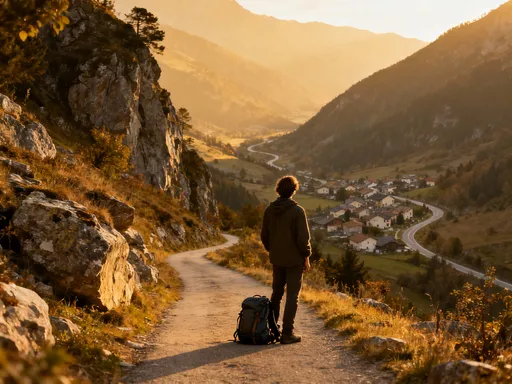
For a hiker passionate about clean air and unspoiled landscapes, Slovenia offers an ideal match. Its emerald rivers, limestone cliffs, and well-maintained trails draw adventurers seeking beauty without spectacle. Over 60% of the country is covered in forest, and Ljubljana, its capital, was named Europe’s Green Capital in 2016. Travelers here often report feeling a sense of calm and connection, not just to nature but to the people who steward it. Similarly, for someone drawn to culinary discovery, Oaxaca, Mexico, provides a rich tapestry of flavors and traditions. From mole-making workshops to visits with mezcal producers in the hills, the experience is immersive, hands-on, and deeply rooted in indigenous culture. According to a 2023 UNESCO report, Oaxaca ranks high on the Sustainable Gastronomy Index due to its support for small-scale farmers and traditional food systems.
Data from the World Travel & Tourism Council shows that travelers who align their destinations with personal values report 42% higher satisfaction rates than those who choose based on price or popularity alone. This suggests that emotional resonance matters as much as convenience. A destination that “chooses you” often reveals itself through a quiet pull—a book read years ago, a recipe tried and loved, or a photograph that lingered in the mind. It’s not always the most famous place, but the one that feels right. By asking thoughtful questions before booking—What do I hope to learn? Who will I meet? How will I give back?—travelers set the stage for experiences that linger long after the suitcase is unpacked.
The Architecture of a Perfect Day Abroad
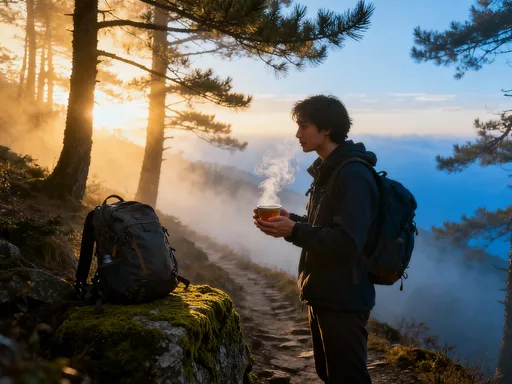
A well-lived travel day is not measured by how much you see, but by how deeply you feel. The most rewarding moments often arise not from packed schedules, but from intentional rhythms that honor both discovery and rest. This balance is achieved through a concept known as temporal zoning—a method of structuring the day to align with natural energy cycles and cultural patterns. The morning, typically cooler and quieter, is ideal for exploration: visiting a temple at dawn, walking through a farmer’s market, or hiking a coastal path as the sun rises. This is when the world feels most alive with possibility, and when local life unfolds in its most unguarded form.
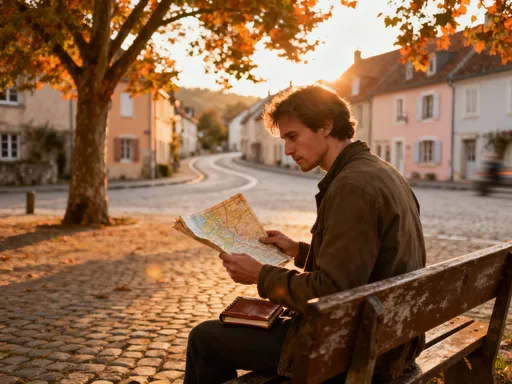
Afternoon, in many cultures, is reserved for slowing down. In Spain, it’s the siesta; in Greece, the kafeneio; in Japan, the quiet pause between work and evening. Respecting this rhythm allows travelers to avoid burnout and connect more authentically. A midday break might include a long lunch with local dishes, a visit to a shaded garden, or simply sitting with a notebook in a quiet square. Research from the Journal of Travel Psychology found that travelers who schedule at least two hours of downtime daily report 40% higher enjoyment and 30% less stress. These moments of stillness are not wasted time—they are where reflection takes root, where impressions settle, and where unexpected invitations often arise.
Evening offers a different kind of engagement—one rooted in community and connection. This is the time to attend a local music performance, join a cooking class, or share stories with hosts. In Lisbon, for example, a perfect day might begin with a tram ride through the Alfama district, followed by a seafood lunch at a family-run tasca, an afternoon rest in a riverside park, and an evening fado concert in a small neighborhood hall. In Kyoto, a traveler might start with a morning tea ceremony, wander through the Arashiyama bamboo grove, rest at a quiet temple garden, and end the day with a kaiseki dinner in a traditional ryokan. These itineraries are not rigid—they allow for spontaneity, yet are anchored in a gentle structure that supports presence. By mapping energy as carefully as geography, travelers create days that feel full, not frantic.
Language as a Lens, Not a Barrier
One of the most common fears among travelers is the inability to speak the local language. Yet language is not a wall—it is a window. Even a few words, spoken with care, can open doors that remain closed to those who remain silent. In Vietnam, a simple “Xin chào” (hello) or “Cảm ơn” (thank you) often elicits warm smiles and immediate warmth. In rural Greece, a mispronounced “Kalimera” might lead to laughter, correction, and an invitation to join a family meal. These moments are not about fluency; they are about respect. They signal a willingness to step into another world on its own terms, rather than demand it conform to yours.
Studies in intercultural communication show that travelers who attempt to use local languages, even minimally, are perceived as more trustworthy and approachable. A 2021 survey by the European Language Institute found that 83% of locals were more likely to offer help or share recommendations with visitors who tried to speak their language. This isn’t about perfection—it’s about participation. Listening, in fact, is often the first and most powerful act of respect. Paying attention to tone, rhythm, and nonverbal cues can convey more than words ever could. A nod, a pause, an attentive gaze—these are universal gestures of connection.
For those preparing to travel, a minimalist language toolkit can go a long way. Ten essential phrases—greetings, thank you, please, excuse me, yes, no, how much, where is, I don’t understand, and I’m sorry—cover most daily interactions. Apps like Duolingo or Memrise can help build basic vocabulary, while tools like Google Translate are useful in a pinch. But the key is to use technology without becoming dependent on it. Keeping the phone in the pocket and the eyes on the person fosters deeper engagement. Language is not just a tool for communication; it is a lens through which culture is revealed. When you learn to say “thank you” in the local tongue, you don’t just speak a word—you honor a world.
Navigating Logistics Like a Local Strategist
Beneath every seamless journey lies a foundation of thoughtful logistics. How you move, where you stay, and when you go all shape the quality of your experience. Transportation, for instance, is not just about efficiency—it’s about immersion. Trains often offer a more scenic and relaxed pace than planes, allowing travelers to witness the changing landscape and interact with locals. In Switzerland, the Glacier Express connects mountain villages with panoramic views, while Japan’s Shinkansen blends speed with comfort and precision. Buses, though sometimes less comfortable, can provide access to remote areas and deeper cultural exposure. Ride-sharing apps offer convenience in cities, but walking remains the most intimate way to discover a place—one step at a time.
Accommodation choices also play a crucial role. Boutique guesthouses and family-run inns often provide richer interactions than large hotels. In Portugal, the “Casas Brancas” network connects travelers with historic homes managed by local hosts, fostering personal connections and cultural exchange. Eco-lodges, such as those in Costa Rica’s rainforests, emphasize sustainability and environmental education, allowing guests to sleep under the stars while supporting conservation. For longer stays, renting an apartment enables travelers to live like residents—shopping at neighborhood markets, cooking with local ingredients, and establishing routines that mirror daily life.
Timing is equally important. Shoulder seasons—spring and autumn—often offer the best balance of pleasant weather, lower prices, and fewer crowds. Visiting Petra in Jordan during late October, for example, means cooler temperatures and thinner crowds than in peak summer. Similarly, booking a trip to Kyoto in early April allows travelers to experience cherry blossoms without the overwhelming influx of tourists. A decision tree can help clarify priorities: What matters most—comfort, cost, connection, or convenience? If connection is the goal, then slower transit, homestays, and off-season travel may be worth the extra effort. By approaching logistics with strategy and care, travelers transform practical details into meaningful parts of the journey.
The Unseen Map: Sensory Awareness and Emotional Readiness
Beyond passports and itineraries lies a deeper layer of travel preparation—one that few discuss but all experience. This is the internal landscape: the emotions, expectations, and sensory awareness that shape how we receive a new place. Travel is not just movement across geography, but expansion across attention. It asks us to notice the scent of rain on hot stone, the hum of a distant market, the way light filters through a canopy of trees. These details are not background noise—they are the texture of experience. Sensory tuning, the practice of heightening awareness of sight, sound, smell, touch, and taste, deepens engagement and creates lasting memories.
Emotional readiness is equally vital. Travel often involves discomfort—delayed flights, unfamiliar food, moments of loneliness, or the frustration of miscommunication. How one responds to these challenges can define the journey. A readiness checklist might include emotional flexibility, openness to surprise, tolerance for ambiguity, and the ability to pause before reacting. Research from the University of Edinburgh found that travelers who practiced mindfulness before departure reported higher levels of resilience and satisfaction during their trips. Simple practices—like journaling, meditation, or walking without distraction—can build this inner capacity.
Journal prompts can help cultivate awareness: What am I carrying with me—fears, hopes, assumptions? What do I hope to release? What kind of traveler do I want to be? These questions are not academic—they prepare the mind and heart for transformation. The unseen map is not drawn in ink, but in intention. When travelers tune their senses and steady their emotions, they become more present, more open, and more capable of receiving what a place has to offer. The world whispers back not to those who rush, but to those who listen.
Returning Changed: The Art of Re-Entry and Integration
The journey does not end when the plane lands. For many, the most challenging phase of travel is re-entry—the return to familiar streets, routines, and responsibilities. After days or weeks of wonder, the ordinary world can feel flat, even jarring. This disorientation is natural. It reflects the internal shift that has taken place. The traveler is not the same person who left. The key to lasting transformation lies in integration—bringing the lessons, insights, and emotions of the journey into daily life.
Reflection rituals can help bridge this gap. Setting aside time to review photos, reread journal entries, or share stories with loved ones allows experiences to settle. But storytelling should go beyond recounting events—it should convey meaning. Instead of saying, “I visited a tea house in Kyoto,” one might say, “I learned the value of stillness from a woman who poured tea as if each moment mattered.” This kind of narrative deepens understanding and invites others into the journey.
Creating a travel legacy ensures that the experience continues to give. This might mean cooking a meal from a visited country once a month, displaying art collected with intention, or adopting a small habit—like morning tea or evening walks—that echoes a cherished rhythm from the road. Schools, community centers, and libraries often welcome travel presentations, offering a way to share perspectives and inspire others. The goal is not to escape reality, but to enrich it.
The world whispers back to those who travel with presence, curiosity, and care. It speaks in the rustle of olive trees, the laughter of children in a village square, the quiet of a mountain dawn. These moments are not fleeting—they are invitations to see differently, to live more fully. Let the journey reshape you. Let each step be mindful, each choice intentional. And when you return, let your home be the next destination for wonder. The art of travel is not in the miles covered, but in the depth uncovered—one mindful step at a time.