Hidden Paths, Richer Journeys
Travel is more than movement—it’s transformation. Every step into the unfamiliar reshapes perspective, deepens awareness, and renews the spirit. Yet in a world of crowded landmarks and algorithm-driven itineraries, true discovery feels increasingly rare. The essence of meaningful travel lies not in checking destinations off a list, but in choosing them with intention, moving with awareness, and engaging with depth. This journey begins not at the airport, but in the mind: with how we select where to go, how we prepare to experience it, and how we allow it to change us. In a time when overtourism strains cities and social media rewards spectacle over substance, the quiet traveler—curious, reflective, grounded—emerges not as an outlier, but as a pioneer of a more sustainable and soulful way to explore. This is not a call to visit fewer places, but to feel more in each one.
The Mindful Traveler’s Compass
Today’s traveler stands at a crossroads. On one path lies the well-worn trail of high-season crowds, top-ten lists, and the relentless pursuit of the photogenic moment. On the other, a quieter route unfolds—one guided not by popularity, but by purpose. The shift from conspicuous tourism to experiential depth marks a quiet revolution in how people relate to the world. More than ever, travelers are asking not just where should I go?, but why am I going? This introspection is not a luxury; it’s a necessity. According to UNESCO’s 2023 report on overtourism, ten of the world’s most iconic cities—including Venice, Barcelona, and Kyoto—have seen a 34% increase in visitor saturation since 2019. These numbers are not just statistics—they signal a growing imbalance between presence and appreciation.
The “experience gap” is real: travelers spend more than ever, yet report diminishing returns in personal satisfaction. A 2022 study by the Global Travel Insight Network found that while per-trip expenditure rose by 22%, emotional fulfillment scores dropped by 17%. The culprit? A focus on volume over value. Checking off landmarks gives the illusion of accomplishment, but rarely leaves a lasting imprint. In contrast, emotionally resonant travel—rooted in connection, vulnerability, and presence—creates memories that endure long after the tan fades. The shift is subtle but significant: from asking Did I see it? to Did it change me? This inward alignment becomes the compass for the mindful traveler.
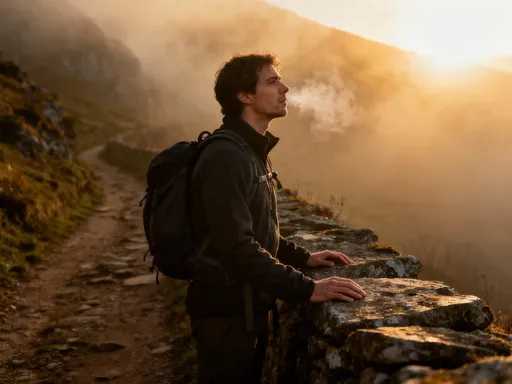
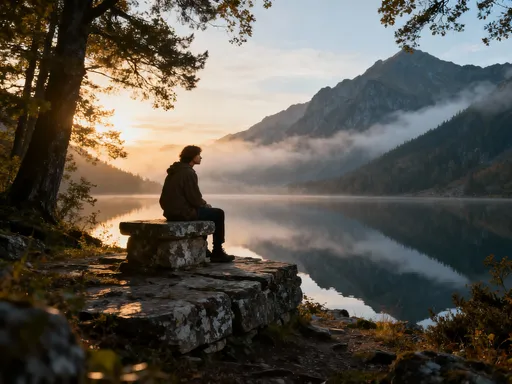
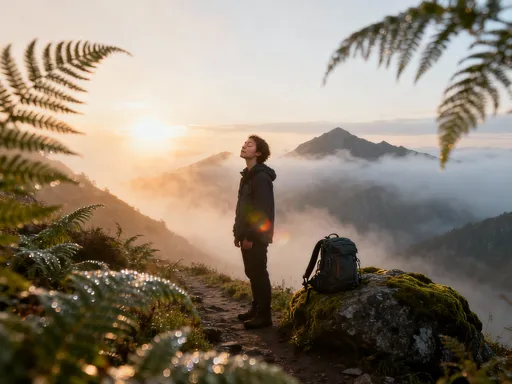
Consider this practical exercise: recall a place that left a lasting impression—not because it was famous, but because it spoke to you. Was it a conversation with a local baker in a coastal village? A quiet moment watching sunrise over a mountain pass? These moments often arise not from curated tours, but from openness. They are not captured in hashtags, but in the quiet shift within. The mindful traveler recognizes that purpose precedes passport stamps. By aligning destination choice with personal values—whether curiosity, healing, or cultural exchange—travel transforms from escapism into meaningful engagement. It is this intentionality that turns a trip into a journey.
Choosing Places That Speak Back
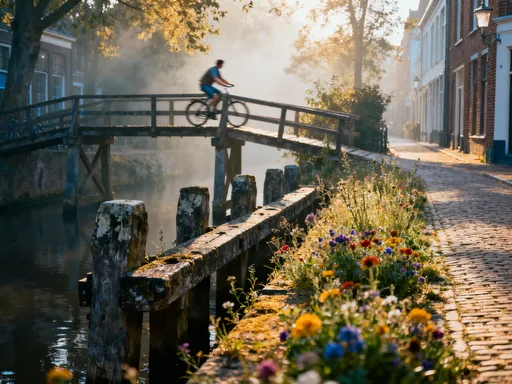
In an age of data overload, selecting a destination often means navigating a flood of reviews, ratings, and reels. Yet the most meaningful places are not always the most visible. The traveler seeking depth must look beyond rankings and seek out destinations with soul—those that invite not just observation, but dialogue. This requires a new metric: the “quiet appeal” of a place. This is measured not in star ratings, but in stillness, authenticity, and the potential for human connection. It is found in the morning light on an empty cobblestone street, the rhythm of local conversation in a market, or the unscripted kindness of a stranger offering directions in broken English.
Data-rich platforms like TripAdvisor and Google Reviews serve a purpose, but they often amplify noise over nuance. A five-star rating may reflect clean bathrooms and fast service, but not the depth of cultural experience. To find places that speak back, travelers are turning to insight-rich alternatives: slow travel blogs, resident forums, and community-driven platforms like Sloway or World Nomads’ local stories. These sources offer a different kind of intelligence—one rooted in lived experience rather than transactional satisfaction. They highlight not just where to go, but how to be there.
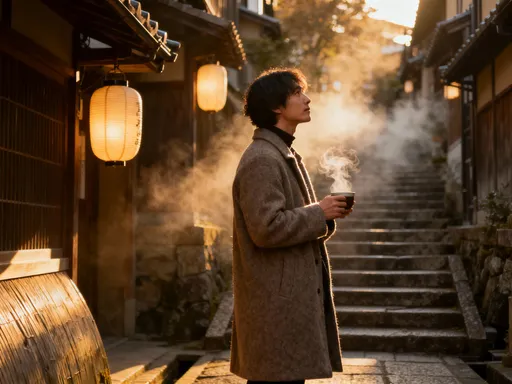
A case in point is Kyoto, Japan. During peak cherry blossom season, the city receives over 10 million visitors in a single month. Temples overflow, prices surge by as much as 60%, and cultural ceremonies become performances for crowds. In contrast, visiting Kyoto in late autumn—when the maple leaves turn and the streets grow quiet—offers deeper access. Locals are more approachable, tea houses less packed, and the pace allows for genuine observation. This is not to say one should avoid popular times entirely, but to recognize that timing shapes experience as much as destination.
To make more intentional choices, travelers can apply actionable filters. Language familiarity matters—not because fluency is required, but because a basic effort to speak the local tongue signals respect. Walkability is another key indicator; cities designed for pedestrians invite immersion rather than detachment. Perhaps most telling is the “stay-to-visit” ratio—how many nights one spends per destination. A traveler who stays five nights in one city is more likely to form connections than one who rushes through five cities in five days. The principle is simple: less famous often means more felt. When a place isn’t shouting for attention, it has more space to whisper its truths.
The Art of Arrival: Preparing to Receive
True readiness for travel begins long before the suitcase is packed. While logistics matter—passports, visas, vaccinations—the deeper preparation is mental and emotional. Most travelers overlook the importance of preparing the mind to receive. The first 48 hours in a new destination set the tone for the entire journey. Arriving exhausted, overloaded, or rigid in expectations can dull even the most vibrant surroundings. Behavioral studies show that cognitive load—the mental effort required to process new environments—can impair perception, memory, and emotional regulation. When the brain is overwhelmed, it filters out nuance, reducing a rich culture to a series of blur.
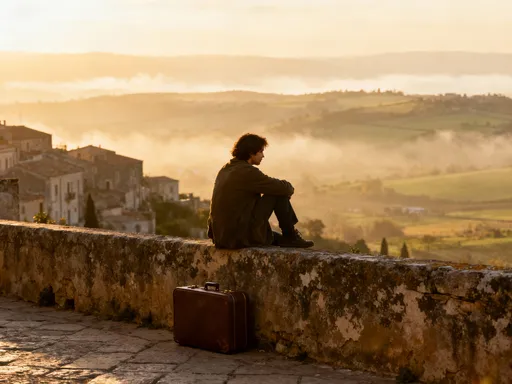
Thus, the art of arrival is not about speed, but about pacing. Time zone acclimation should begin before departure—shifting sleep schedules gradually in the days leading up to the trip. Sensory pacing is equally important: avoid cramming the first day with sights. Instead, allow space to simply be—sit in a café, watch people pass, listen to the rhythm of a new language. This is not wasted time; it is integration. Expectation management is crucial. Letting go of the need to “see everything” creates room for the unexpected—the alleyway bookstore, the invitation to a neighborhood festival, the unremarkable street that becomes a memory.
Mindset packing is just as vital as physical packing. Curiosity, humility, and openness are the true essentials. These qualities cannot be bought, but they can be cultivated. Pre-trip reflection prompts—such as “What do I hope to learn?” or “What am I willing to release?”—help ground intention. Digital detox windows in the days before departure reduce mental clutter and heighten presence. Micro-learning, like mastering five local phrases or understanding a cultural custom, builds confidence and connection. Grounding the self before grounding the foot ensures that arrival is not just physical, but receptive.
Moving Like a Guest, Not a Guestbook
Etiquette is often taught as a list of rules: do this, don’t do that. But when approached with depth, etiquette becomes something more profound—it becomes the language of respect. And respect, in turn, becomes the key to hidden experiences. Travelers who move like guests—attentive, humble, and responsive—often find doors opening that remain closed to those who treat travel as consumption. Consider the story of a traveler in Japan who, instead of rushing into a tea ceremony, observed quietly from the edge of the room. Her restraint was noticed. Afterward, the host invited her to return the next day for a private demonstration. This was not a transaction; it was trust earned through presence.
Similarly, in rural Morocco, a woman spent an afternoon helping a family gather herbs, not for photos, but out of genuine interest. At dusk, she was invited to share a meal—a moment of connection that never appeared on any itinerary. These experiences are not guaranteed, but they are possible when travelers shift from being observers to participants. Data from cultural tourism studies reveals that 57% of tourists in Bali are unaware of temple dress codes, and 42% admit to ignoring them. Such oversights may seem minor, but they erode the fabric of local life. When sacred spaces become backdrops for selfies, authenticity suffers.
The mindful traveler seeks to understand context—why certain actions matter. In many cultures, removing shoes before entering a home is not just custom, but a gesture of purity. Bowing in Japan is not mere formality, but an acknowledgment of hierarchy and harmony. These practices are not barriers, but bridges. Moving beyond “do’s and don’ts” means asking: What does this mean? and Why is it important? Encouraging responsive behavior—watching, waiting, then engaging—creates space for mutual respect. The power of small gestures—offering a greeting in the local language, accepting tea with both hands, listening without interrupting—can open large doors. Travel, at its best, is a dialogue. And every dialogue begins with listening.
The Rhythm of Exploration: Pacing for Presence
Rushing may cover more ground, but it rarely deepens experience. The “mileage trap” is a silent thief of meaning—luring travelers into believing that more destinations equal greater fulfillment. Yet data tells a different story. A 2022 Gallup study found that travelers who visit three or more cities in a seven-day period report 28% lower memory retention and significantly reduced emotional engagement. They recall landmarks, but not the feeling of being there. The body moves quickly, but the mind lags behind, overwhelmed by constant transition. In contrast, slow travel—defined as spending at least three nights in a single location—correlates with higher levels of satisfaction, connection, and personal insight.
An ideal day of exploration follows a natural rhythm, much like breathing. Begin with a slow morning—coffee at a local café, a walk without agenda, time to notice details. This is the inhale: taking in the environment. Midday is for engaged exploration—visiting a museum, taking a guided walk, or learning a craft. But even here, depth matters more than checklist. Choose one place, not five. The afternoon might include a pause—a rest, a conversation, a moment of stillness. Then, a reflective evening: journaling, sketching, or simply sitting in silence, allowing the day to settle. This is the exhale: releasing, integrating, making space for what was received.
The “one-place-per-day” challenge is a powerful practice. Instead of racing from attraction to attraction, commit to spending the entire day in one neighborhood, one park, or one market. This allows layers to reveal themselves—the changing light, the returning faces, the evolving sounds. Journaling enhances this. Even a few sentences each night anchor memory and deepen awareness. Audio notes, sketches, or photographs taken with intention serve the same purpose. They are not for posting, but for preserving the texture of experience. When travel slows down, presence increases. And presence is where transformation begins.
Returning Changed, Not Just Tanned
The journey does not end at departure. The return home is an essential chapter—one often overlooked. Re-entry shock is real. After days or weeks of immersion, the familiar can feel strangely foreign. Routines seem flat, conversations less vivid, the pace too fast. Yet this discomfort is not a setback; it is a signal. It means the journey left a mark. The mindful traveler does not rush to “get back to normal,” but allows the transition to unfold with care. This is where integration begins.
How do we carry the journey forward? Rituals help. Unpacking slowly, not just the suitcase, but the impressions—what stood out, what shifted, what lingered. Studies on post-travel well-being show that individuals who spend time reflecting are three times more likely to sustain positive changes in mood, behavior, and outlook. Storytelling is another tool. Sharing not just photos, but moments of connection—“There was this woman at the market who taught me how to choose the ripest figs”—keeps the experience alive. These stories are not bragging; they are anchors.
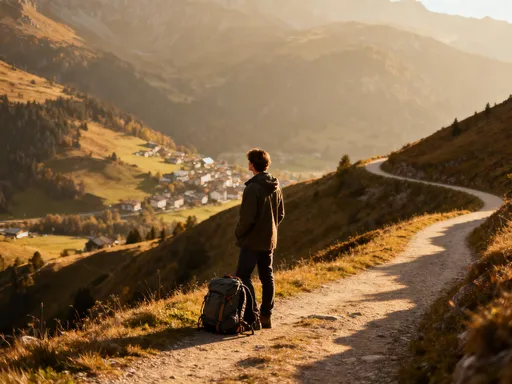
Environmental shifts can also deepen integration. Playing the music heard in a distant village, cooking a dish learned abroad, or rearranging a room to reflect a calmer pace—all these acts weave travel into daily life. The goal is not to live permanently on vacation, but to bring the spirit of travel home. Let the patience learned in a long train ride ease weekday commutes. Let the simplicity observed in a mountain village inspire a decluttered home. The return is not a fall from grace, but a rise into a more conscious way of living. Let the journey linger, not as nostalgia, but as evolution.
Travel as Quiet Upgrade: A New Abundance
Abundance in travel is often measured in miles flown, countries visited, or photos posted. But a quieter, more enduring abundance exists—one measured in depth, not distance. This is the quiet upgrade: subtle shifts in perspective, emotion, and self-awareness that accumulate over time. A traveler who listens deeply in one village may find herself listening more deeply at home. One who navigates a foreign city with patience may approach daily challenges with greater calm. These are not grand transformations, but gentle recalibrations—with compounding benefits.
Thoughtful travel braids signals across cultures, emotions, and inner landscapes. It teaches us that difference is not distance, but invitation. It reminds us that presence is a gift we give not only to others, but to ourselves. The mindful traveler returns not with more things, but with more awareness—with a wider lens, a softer heart, a quieter mind. This is the true metric of a rich journey.
As you consider your next trip—or even your next decision—ask not just Where will this take me?, but Who will this make me? Let the way you travel teach you how to live. Choose one upcoming choice, big or small, and view it through the lens of meaning, not metrics. Will it bring depth? Connection? Growth? In a world that celebrates speed and spectacle, choosing depth is an act of quiet courage. And in that choice, the journey continues—not on a map, but in the mind, the heart, the everyday. The hidden paths are not on the brochure. They are within. Walk them well.