Where the World Whispers: Unlocking Hidden Journeys That Transform the Soul
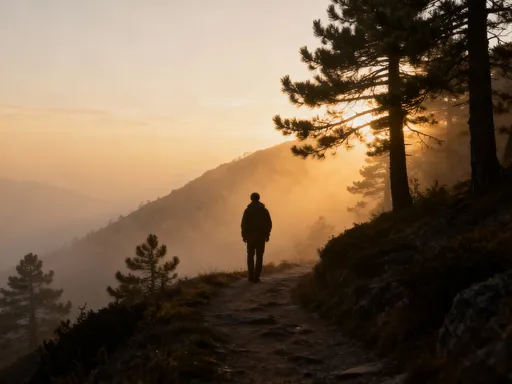
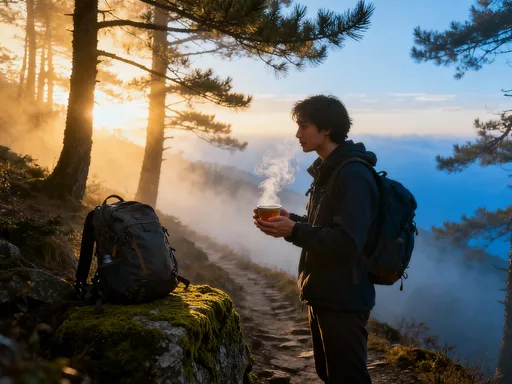
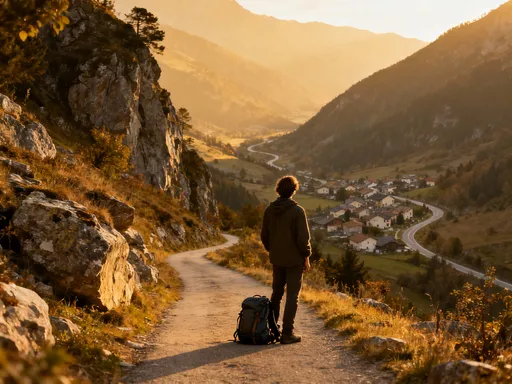
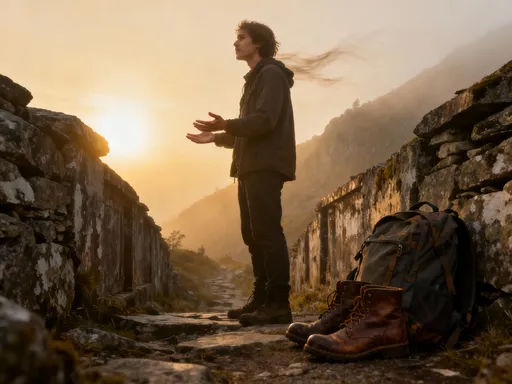
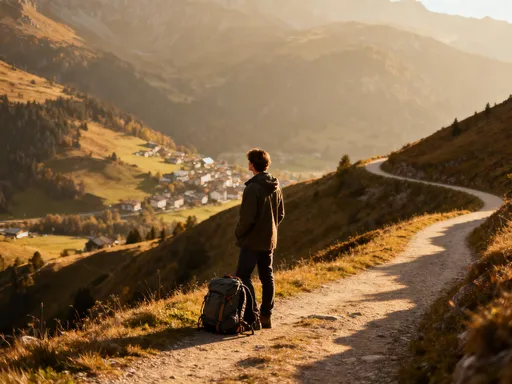
Travel is more than movement—it’s transformation disguised as discovery. When footprints meet forgotten trails and quiet villages breathe stories untold, something shifts within us. In a world obsessed with checklists and crowded landmarks, the true magic lies in places that don’t shout, but whisper. This journey isn’t about ticking destinations; it’s about deepening presence, choosing meaning over mileage. From misty mountain paths to sun-drenched coastal alleys, the right experience reshapes perspective. Here lies a guide not just to where to go, but how to *arrive*—mindfully, wisely, and with purpose. These are not escapes, but invitations to become more fully alive, to listen closely, and to return home carrying not souvenirs, but shifts in the soul.
The Quiet Revolution of Meaningful Travel
Modern travel has reached a crossroads. For decades, tourism followed a formula: fly in, photograph monuments, buy trinkets, fly out. The goal was accumulation—of stamps, sights, and social media likes. But a quiet revolution is unfolding, led not by influencers or luxury brands, but by travelers seeking something deeper. They are no longer satisfied with passive observation; they crave participation, resonance, and inner change. This shift marks the rise of experiential travel—a movement defined not by where you go, but how you engage. It’s a departure from consumption toward connection, from speed toward stillness, from surface toward substance.
What sets meaningful travel apart is its lasting impact. Studies conducted by the Global Wellness Institute reveal that travelers who engage in culturally immersive experiences report up to 40% higher levels of emotional well-being post-trip compared to those who stick to standard itineraries. These aren’t fleeting highs, but sustained shifts in outlook—greater patience, increased gratitude, and a renewed sense of purpose. The reason is simple: when we slow down and open ourselves to unfamiliar rhythms, we stop being tourists and begin becoming students of life. Destinations cease to be backdrops and become mirrors, reflecting parts of ourselves we may have forgotten or never known.
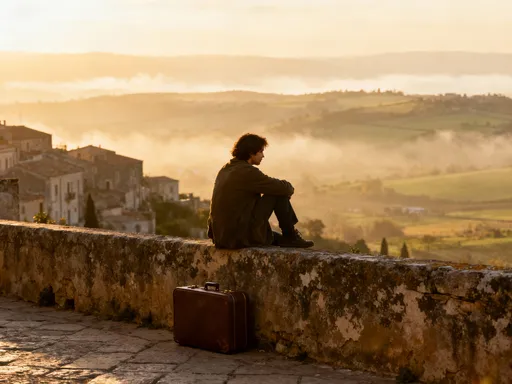
This transformation begins long before departure. The most powerful journeys start with intention. Instead of asking, “Where should I go next?” mindful travelers ask, “Why am I going?” Is it to heal? To reconnect? To rediscover creativity? Answering this shapes every decision—from destination to pace. A woman navigating a life transition might choose a silent retreat in the Swiss Alps, not for the scenery, but for the solitude. A mother seeking inspiration might wander the painted courtyards of Granada, drawn by the poetry embedded in stone and fountain. When travel aligns with personal need, it becomes not just a trip, but a pilgrimage.
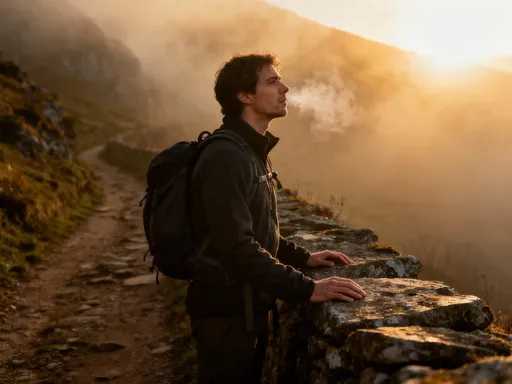
The practice of attention replaces the practice of accumulation. This means resisting the urge to document everything and instead choosing to feel everything. It means sitting on a bench in Kyoto’s Arashiyama district not to photograph bamboo, but to listen to wind move through stalks. It means accepting that some of the most profound moments occur off the map—between conversations, during a shared meal, or in the silence after a village elder offers a blessing. These are the moments that linger, not because they were extraordinary by worldly standards, but because they were fully witnessed.
Choosing Destinations That Speak to the Self
Selecting a destination should feel less like scrolling through a travel app and more like listening to an inner compass. The most transformative journeys begin not with flights or hotels, but with self-awareness. Every landscape carries an emotional frequency—certain places call to certain hearts. The rugged coastline of western Ireland echoes with resilience, speaking to those rebuilding after loss. The lavender fields of Provence hum with calm, offering clarity to overstimulated minds. The terraced rice paddies of Bali pulse with harmony, inviting those seeking balance. When environment and inner state align, travel becomes a form of gentle healing.
This concept, known as emotional geography, suggests that external landscapes can mirror and influence internal ones. A person overwhelmed by urban noise may find peace in the hushed pine forests of northern Japan, where the only sounds are wind and distant temple bells. Someone craving connection might be drawn to the communal hearths of rural Georgia, where strangers are welcomed as family. These aren’t random attractions; they are intuitive responses to unspoken needs. The key is to pause before planning and ask: What am I carrying? What do I need to release? What part of myself am I hoping to meet?
Practical tools can guide this alignment. One effective method is values mapping—a simple exercise where travelers list their core values (e.g., peace, creativity, adventure, connection) and match them to destinations that embody those qualities. For example, someone valuing creativity might explore the artist villages of Oaxaca, where color spills from walls and stories flow from clay. Someone seeking stillness might journey to Ladakh, where monasteries cling to cliffs and silence is a daily practice. Seasonal alignment also plays a role—visiting Tuscany in spring offers renewal, while autumn brings introspection amid golden vines.
Real-world examples illustrate this resonance. A teacher from Toronto, grieving the end of a long career, chose to spend three weeks in a山村 (mountain village) in Nagano, Japan. She didn’t come for sightseeing, but for stillness. Each morning, she walked forest paths with a local guide, learning the names of plants and the art of quiet observation. By the end of her stay, she said she hadn’t found answers—but she had found space. Another traveler, a mother of three from Melbourne, booked a solo retreat in the Alentejo region of Portugal. Surrounded by olive groves and ancient stone homes, she began writing again—something she hadn’t done since college. The landscape didn’t inspire her; it reminded her.
The Art of Slow Immersion: Living Like a Local
Immersion is not a destination—it is a way of being. True connection happens not in museums or tour buses, but in kitchens, markets, and village squares. It begins with the decision to slow down, to stay longer, and to step into the rhythm of daily life. Research from the University of California shows that travelers who spend at least five consecutive days in one location report significantly deeper cultural understanding than those who hop between cities. The so-called “three-day threshold” is real: it takes about 72 hours for the mind to settle, for curiosity to replace confusion, and for a sense of belonging to emerge.
This kind of travel prioritizes participation over observation. Imagine waking before dawn in Oaxaca to join a local family at the municipal market, selecting fresh corn, chilies, and herbs for the day’s tamales. Or walking with shepherds in the Pyrenees as they guide flocks across high pastures, learning the names of mountain flowers along the way. These are not performances for tourists; they are invitations to share in the fabric of life. Community-based tourism models, such as homestays in Bhutan or farm stays in Tuscany, create mutual benefit—hosts gain income and cultural exchange, guests gain authenticity and connection.
Accommodations play a crucial role in facilitating immersion. Opting for a guesthouse with shared meals, a family-run inn with morning tea service, or a village lodge with open courtyards increases the likelihood of spontaneous interactions. These spaces are designed not for privacy, but for presence. A woman from Chicago recounted how her stay in a small guesthouse in Luang Prabang transformed her trip. Each evening, the host family invited guests to join them for dinner—no menu, no reservations, just whatever was cooked that day. Through gestures, broken English, and shared laughter, she felt more welcomed than she had in years. “I didn’t feel like a visitor,” she said. “I felt like I belonged, even if just for a week.”
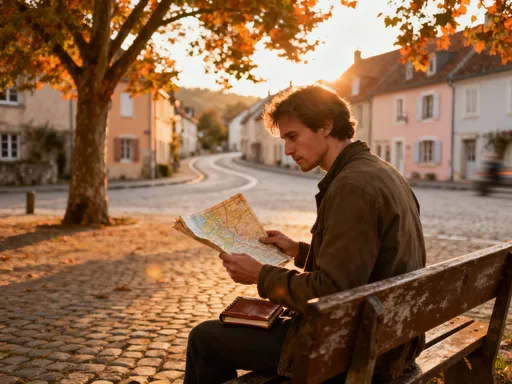
Living like a local doesn’t require fluency or expertise. It requires openness. It means accepting an invitation to a neighbor’s birthday, even if you don’t know the customs. It means walking the same path each morning and learning the names of the dogs who greet you. It means understanding that connection often grows not from grand gestures, but from small, repeated moments—passing a smile to a shopkeeper, helping carry groceries, sharing a bench with an elder. These are the threads that weave the tapestry of belonging.
Crafting the Itinerary as a Journey of Presence
An itinerary should serve the traveler, not enslave them. Yet too many trips are burdened by overplanning—eight attractions in five hours, a checklist that turns exploration into exhaustion. The irony is that in trying to see everything, travelers often experience nothing deeply. Studies from the Journal of Travel Research show that over-scheduled itineraries correlate with higher stress levels and lower memory retention. When every minute is accounted for, there is no room for wonder, for surprise, for the quiet moments that become the heart of a journey.
The alternative is the spacious itinerary—one that balances structure with freedom. This means planning key experiences while leaving room for the unplanned. Instead of filling each day with six stops, choose one or two meaningful activities and allow the rest to unfold. Time-blocking for reflection—such as a morning walk, an afternoon rest, or an evening journal session—creates space for integration. Leaving entire days unstructured is not laziness; it is wisdom. Some of the most cherished travel memories arise from spontaneity: a chance encounter at a village well, a sudden rainstorm that leads to shelter in a tea house, a local festival discovered by accident.
Data supports this approach. A 2023 survey by the Mindful Travel Foundation found that travelers who built pauses into their itineraries reported 52% higher satisfaction rates and were more likely to describe their trips as “life-changing.” These pauses aren’t empty; they are fertile ground. They allow travelers to process what they’ve seen, to notice subtle details—the way light falls on a stone wall, the scent of bread baking at dawn, the sound of children laughing in a courtyard. These sensory imprints form the emotional archive of a journey.
Designing a rhythm is more valuable than designing a checklist. A typical day in a mindful itinerary might begin with a slow breakfast and a short walk, followed by a single focused experience—visiting a local artisan, attending a cooking class, or hiking a sacred trail. The afternoon might include rest, reading, or quiet time. Evenings are reserved for conversation, shared meals, and reflection. This rhythm mirrors the natural ebb and flow of energy, honoring the body and mind. It transforms travel from a sprint into a dance—one that moves with, rather than against, the human spirit.
Navigating Logistics with Grace and Foresight
Beneath every serene journey lies a foundation of careful preparation. Logistics are not the enemy of spontaneity; they are its enabler. When practical concerns are addressed in advance, emotional openness can flourish. This begins with visa intelligence—understanding entry requirements, processing times, and documentation well before departure. It extends to transport literacy: knowing how to navigate local buses, trains, or ferries reduces decision fatigue and increases confidence. Health preparedness, including vaccinations, medications, and knowledge of local medical facilities, ensures peace of mind.
One of the most overlooked aspects of preparation is the pre-departure checklist—one that includes not only physical items but emotional ones. Packing a journal invites reflection. Bringing a small phrasebook shows respect. Carrying a token from home—a stone, a photo, a piece of fabric—anchors identity in unfamiliar places. These items are not luxuries; they are tools for grounding. A traveler from Seattle shared how she carried a seashell from her childhood beach to Iceland. Each morning, she placed it on her windowsill, a quiet reminder of who she was beneath the role of traveler.
Digital detox planning is another key element. Setting boundaries with devices—such as limiting screen time, turning off notifications, or leaving the phone in the room during outings—creates space for presence. This doesn’t mean rejecting technology entirely, but using it intentionally. Many travelers now designate “tech-free hours” each day, allowing themselves to fully engage with their surroundings. The result is not disconnection, but deeper connection—to place, to people, to self.
Sustainable choices also fall under logistics. Opting for trains over short-haul flights, supporting family-run restaurants over international chains, and participating in carbon offset programs link ethical decisions to emotional well-being. Knowing that one’s travel supports local communities rather than exploiting them brings a quiet sense of integrity. This alignment between action and values enhances the journey’s meaning, turning every choice into a quiet act of respect.
The Language of Connection: Beyond Words
Communication begins long before words are spoken. A smile, a nod, an outstretched hand—these are the universal dialects of human connection. In a village in northern Thailand, a traveler spilled tea while attempting to pour it the traditional way. Instead of embarrassment, she was met with laughter and gentle guidance. No translation was needed. In Morocco, an elderly woman offered a piece of flatbread to a visitor sitting alone at a market stall. They shared the meal in silence, their eyes speaking volumes. These moments transcend language; they are rooted in presence, in the willingness to be seen and to see.
That said, learning a few basic phrases in the local language is one of the most powerful acts of respect. Greeting, thank you, please, excuse me, and goodbye—these five words open doors that might otherwise remain closed. Saying “konnichiwa” in Japan, “grazie” in Italy, or “shukran” in Jordan signals a desire to connect, not just consume. It shows that the traveler sees the host not as a service provider, but as a person. And when these words are spoken with sincerity, even with imperfect pronunciation, they are almost always met with warmth.
But the deepest language of travel is listening. Not just to words, but to tone, to silence, to the spaces between. It is listening to the rhythm of a market, the cadence of a prayer, the quiet of a forest. It is noticing how people move, how they greet, how they care for one another. A woman from Toronto described how, during her stay in a small village in Crete, she began to understand the community not through conversations, but through observation—how elders were seated first, how children were always within sight, how meals lasted for hours. These were lessons in belonging, taught not in words, but in way of life.
Non-verbal connection fosters empathy. When we sit with someone in silence, share a meal without translation, or help carry a basket without being asked, we participate in a shared humanity. These moments remind us that beneath differences in culture, language, and tradition, we all seek the same things: dignity, connection, and a sense of home. Travel, in its purest form, is not about seeing the world—it is about feeling it.
Returning Home Transformed: Integrating the Journey
The most overlooked phase of travel is the return. While departure is celebrated and arrival is anticipated, re-entry is often met with silence. Yet this is where transformation either takes root or fades away. Reverse culture shock is real—returning home can feel jarring, even disorienting. Familiar routines may seem shallow, conversations superficial, the pace unbearable. But this discomfort is not a flaw; it is a sign of growth. It means the journey has changed you, and now you must find a way to carry that change forward.
Intentional integration is key. Rituals can anchor new perspectives. Creating a travel altar—a small shelf with souvenirs, photos, and tokens—serves as a daily reminder of what was learned. Writing a letter to your future self, describing the person you became on the trip, offers guidance during moments of doubt. Hosting a “story night” with friends, not to show photos, but to share lessons, transforms memory into meaning. These practices help bridge the gap between journey and daily life.
Data from the Institute for Sustainable Tourism shows that travelers who engage in post-trip reflection are 68% more likely to maintain mindset shifts, such as increased patience, gratitude, and environmental awareness. Reflection doesn’t require hours—ten minutes of journaling each morning can be enough to sustain insight. The goal is not to live in the past, but to let the past inform the present.
Ultimately, travel is not an escape from life, but a mirror held up to it. Every journey reveals not just the world, but ourselves—our strengths, our longings, our capacity for wonder. And every return is an invitation—to see home with fresh eyes, to live with greater intention, to carry the whispers of distant places into the quiet moments of daily life. The world speaks softly to those who listen. And in that listening, we do not just find destinations—we find ourselves.