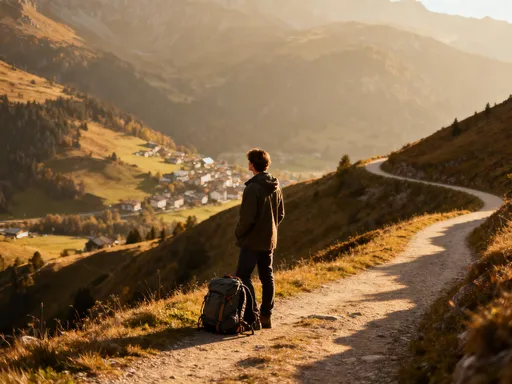
Wander Deeper, Not Farther: The Art of Meaningful Travel in a Rushed World
Travel has become a checklist of landmarks and photo ops, yet the soul of exploration lies in depth, not distance. True journeying is about connection — to places, cultures, and oneself. In an age of overcrowded hotspots and fleeting itineraries, a new approach is essential. This guide reimagines travel as a mindful practice, where intention shapes experience. From selecting destinations with resonance to moving with local rhythms, it offers a clear path to richer, more authentic adventures — not just more miles logged.
The Quiet Revolution: Rethinking Why We Travel
In recent decades, global mobility has soared. According to the World Tourism Organization, international arrivals have grown from 25 million in 1950 to over 1.4 billion in 2019. Yet, despite this expansion, many travelers report feelings of superficiality upon return — a sense of having seen much but understood little. This disconnect signals a shift in what modern travelers seek: not just novelty, but meaning. The quiet revolution in travel is not about going farther or faster, but about going deeper.
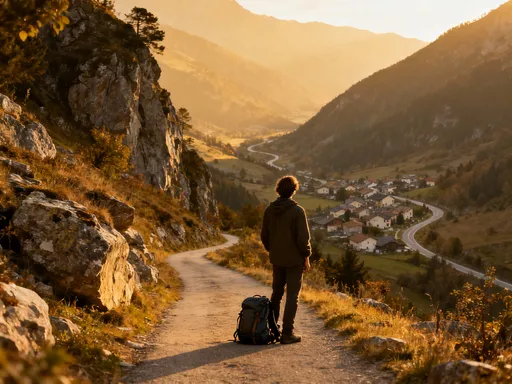
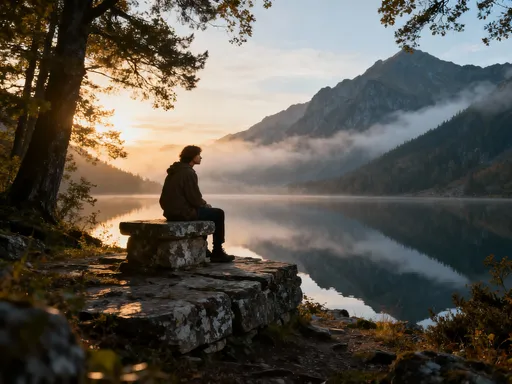
Meaningful travel begins with a simple but powerful question: why do we go? For some, it is the desire to reconnect with nature. For others, it is the urge to witness living traditions, hear ancestral stories, or simply breathe differently. Research from the University of Oxford suggests that immersive travel experiences — those that engage the mind, body, and emotions — correlate strongly with increased well-being and long-term personal growth. Unlike passive sightseeing, which often leaves memories fragmented, deep travel fosters coherence, identity, and empathy.
Trophy tourism, defined by list-ticking and photo-driven validation, is increasingly at odds with this evolving mindset. Iconic sites like the Taj Mahal or Machu Picchu welcome millions annually, but overcrowding often diminishes the contemplative space these places once offered. Studies show that visitors spend an average of 90 seconds at major world monuments — barely enough time to absorb their significance. In response, a growing number of travelers are turning away from spectacle and toward substance.
This shift is not a rejection of beauty or history, but a reorientation toward personal resonance. When the 'why' behind travel is clarified — whether it is healing, celebration, learning, or transformation — every decision, from destination to daily routine, gains purpose. A simple self-assessment can help: What kind of experience do I crave — stillness or stimulation? Community or solitude? Adventure or restoration? Answering these questions becomes the first step in crafting journeys that truly matter.
Choosing With Care: How to Find Places That Speak to You
Selecting a destination should feel less like scrolling through a travel app and more like listening to a quiet voice within. In an era of infinite choice, the art of curation becomes essential. Meaningful travel is not about visiting the most popular places, but about finding the right ones — those that align with your temperament, values, and emotional needs. A beach may soothe one soul while overwhelming another. A bustling market may energize one traveler and exhaust another. Therefore, selection must go beyond aesthetics.
A thoughtful approach combines three key criteria: personal resonance, cultural accessibility, and ecological responsibility. Personal resonance refers to the emotional and psychological fit between traveler and place. Does the destination evoke curiosity or peace? Does it mirror a part of you you’d like to explore? Cultural accessibility means the community is open to respectful engagement — where locals welcome questions, share stories, and maintain traditions worth witnessing. Finally, ecological footprint considers the environmental and social impact of your presence. Opting for low-impact regions helps preserve authenticity and sustainability.
Practical tools can support this process. Seasonal calendars reveal the optimal times to visit without contributing to overtourism. For example, visiting Kyoto during the lesser-known plum blossom season in February offers beauty without the crowds of cherry blossom peak. Crowd-index data, now available through several travel analytics platforms, helps identify emerging but still-undiscovered destinations — places like Kotor, Montenegro, or Ghent, Belgium, which offer rich history and charm with fewer visitors.
Linguistic warmth scores, though less common, provide insight into how welcoming a region might be to non-native speakers. Countries like Portugal, Vietnam, and Slovenia consistently rank high in traveler surveys for hospitality and ease of connection. These indicators, when combined, form a curated selection method that prioritizes depth over dazzle. The goal is not to avoid famous sites entirely, but to approach them with intention — or better yet, to discover alternatives that offer equal wonder with greater intimacy.
The First 24 Hours: Shaping Your Rhythm Like a Local
The beginning of a journey sets the emotional blueprint for all that follows. Many travelers spend their first day recovering from jet lag, navigating confusion, or rushing to check off initial attractions. Yet those initial hours are invaluable for grounding oneself in a new environment. Establishing a rhythm early — one that mirrors local life — can transform disorientation into belonging.
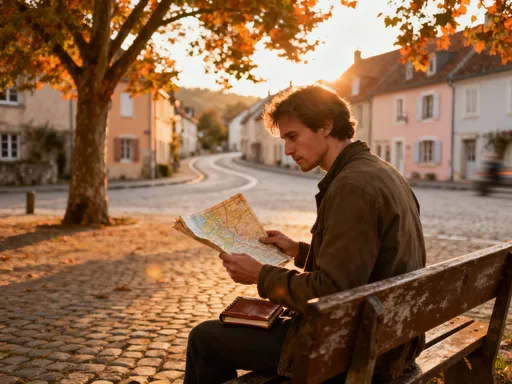
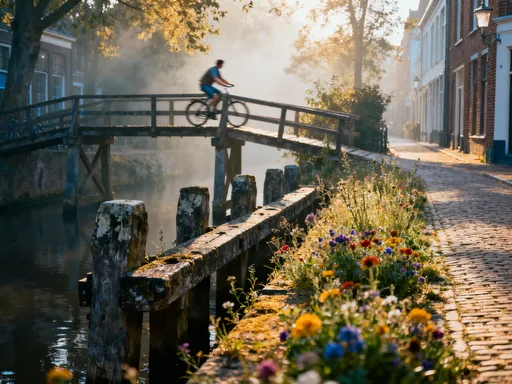
One effective strategy is to begin with routine. Rather than heading straight to a museum, consider visiting a neighborhood market, sitting in a corner café, or taking a slow walk along a residential street. These simple acts serve multiple purposes: they reduce the pressure to perform, allow the senses to adjust, and open subtle channels of connection. Observing how people greet each other, how they carry their bags, or how they order coffee reveals more about culture than any guidebook ever could.
Behavioral studies show that adaptation to a new environment occurs fastest when travelers adopt micro-routines within the first 24 hours. These routines build cognitive anchors — familiar patterns that make the unfamiliar feel manageable. For example, buying bread from the same bakery each morning creates a sense of continuity and often leads to recognition, even friendship, with the vendor. Similarly, learning how to use public transit on day one fosters independence and confidence.
The key is to observe before acting. Let the city breathe around you. Notice when shops open, when people eat, when streets quiet down. In Italy, the piazza comes alive after dinner; in Morocco, the medina hums from dawn until dusk. Aligning your rhythm with these natural pulses allows you to move with the city, not against it. Over time, this synchronization fosters a deep, almost wordless understanding — a feeling of being, however temporarily, at home.
Beyond the Itinerary: Designing Flexible Daily Flow
The modern travel itinerary often resembles a corporate schedule: packed, time-bound, and rigid. While structure can provide security, overplanning risks turning a journey into a series of transactions — arriving, photographing, leaving. In contrast, meaningful travel thrives on space — for surprise, for stillness, for the unplanned moment that becomes the highlight.
The solution lies in what experts call structured spontaneity — a balanced approach that combines light planning with openness to discovery. The core-anchor-flex model offers a practical framework: each day includes two fixed points (the core), such as breakfast at a local spot and an afternoon visit to a museum, with the rest of the time left unstructured (the flex). The anchor provides just enough stability to prevent aimlessness, while the flexibility invites serendipity.
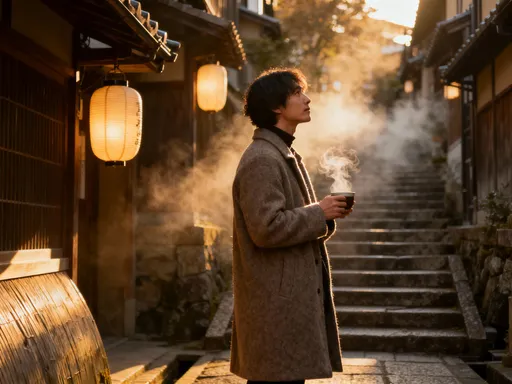
In Kyoto, a traveler might anchor their day with a morning tea ceremony and an evening walk through a lantern-lit temple garden. Between these points, they allow themselves to wander narrow alleys, follow the scent of grilled mochi, or accept an invitation to sit with elders in a quiet park. In Lisbon, another might begin with a tram ride and end with fado music, using the hours in between to explore tile-covered staircases or linger in a sunlit bookstore. In Oaxaca, a chance conversation at a market might lead to a family meal — an experience no tour could replicate.
This model reduces decision fatigue while increasing engagement. A study by the Journal of Travel Research found that travelers who practiced flexible scheduling reported 37% higher satisfaction and 28% greater emotional connection to their destinations. By releasing the need to optimize every minute, they opened themselves to the true essence of place: not what is listed, but what is lived.
The Language of Listening: Communication Beyond Words
Language is often seen as a barrier to connection, yet some of the most profound travel moments occur without a single shared word. While learning phrases like “hello,” “thank you,” and “how are you?” demonstrates respect and opens doors, true communication runs deeper. It lives in eye contact, in gesture, in the pause before a smile.
Non-verbal connection is the quiet language of travel. It is seen in the way a shopkeeper hands you tea with both hands, or how a grandmother nods slowly as you admire her embroidery. These micro-interactions, though fleeting, carry weight. They signal recognition — a silent “I see you” between strangers. Research from the University of California shows that non-verbal warmth accounts for over 60% of perceived hospitality in cross-cultural encounters.
Travelers can cultivate this sensitivity by practicing presence. Put the phone away. Stand still. Watch how people move, how they greet, how they respond to emotion. In Japan, silence is often a sign of respect; in Greece, animated conversation flows like music. In Bhutan, a slight bow while saying “Kuzuzangpo” conveys humility. In Mexico, sharing food without words speaks of welcome.
Learning a few key phrases in the local language, especially those with emotional weight, amplifies this connection. Saying “gracias” in a Oaxacan village, or “as-salamu alaykum” in a Marrakech souk, even with imperfect pronunciation, often elicits warmth and curiosity. Data from the Global Empathy Project indicates that travelers who make even minimal language efforts receive 42% more positive interactions with locals. The message is clear: fluency is not required — attentiveness is.
Sensory Mapping: How to Remember More Than Landmarks
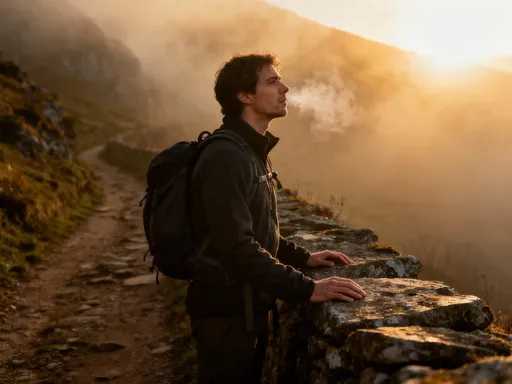
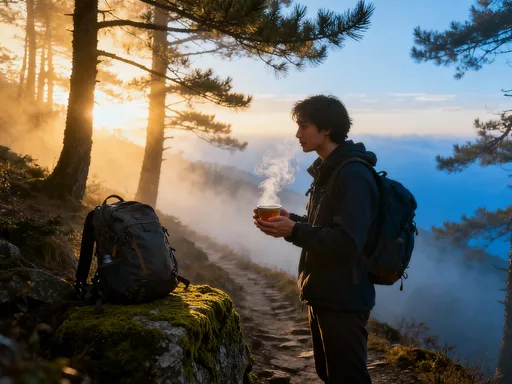
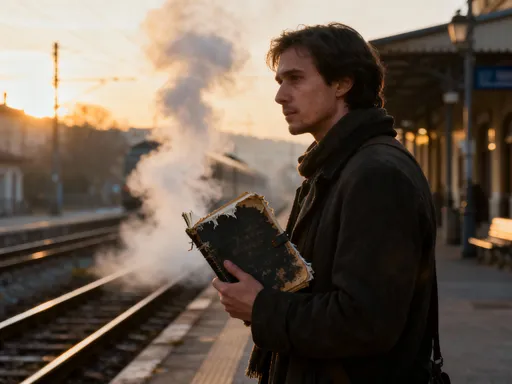
Memory is not stored in snapshots, but in sensations. Years from now, you may forget the name of a museum, but you will remember the cool stone beneath your palm, the scent of frangipani on a night breeze, the sound of a train whistle echoing through misty hills. These sensory imprints form the emotional archive of a journey — more vivid, more lasting, and more transformative than any photograph.
Sensory mapping is the practice of intentionally capturing these moments. It involves engaging all five senses to document a place’s essence. A simple journal — digital or handwritten — can become a vessel for scent descriptions, texture notes, sound sketches, and taste reflections. Rather than writing “visited a market,” a sensory entry might read: “Spice stalls: turmeric dust in the air, warm from the sun. Vendor’s laugh deep and rhythmic. Papaya slices, sweet and sticky on the fingers.”
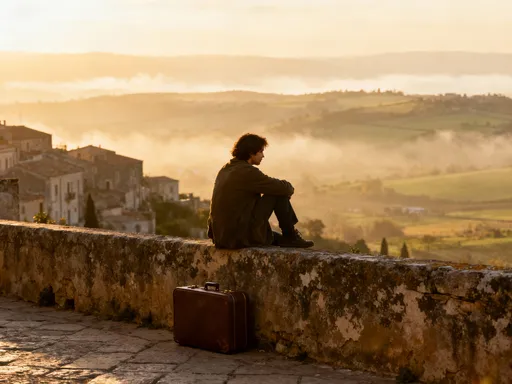
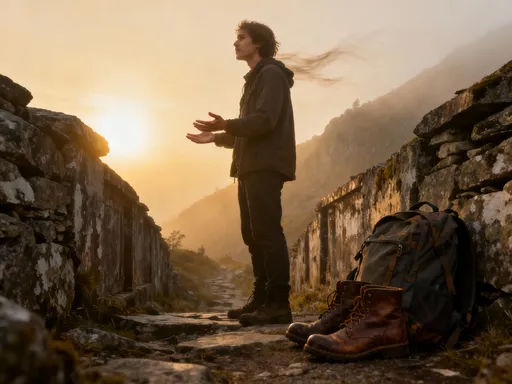
Exercises can deepen this awareness. Try closing your eyes on a city street and identifying three distinct sounds. Notice the temperature shift as you step from shade to sunlight. Run your hand over ancient stone, fresh bread, or handmade cloth. In Kyoto, the rustle of bamboo in a temple grove becomes a meditation. In Istanbul, the call to prayer rolling across the Bosphorus carries timelessness. In Tuscany, the warmth of a terracotta roof tile under your palm connects you to centuries of craftsmanship.
This practice does more than preserve memory — it enhances presence. When travelers engage their senses deliberately, they are less likely to move through a place as spectators and more likely to inhabit it as participants. Neurological studies show that multi-sensory experiences activate broader regions of the brain, leading to stronger emotional encoding and longer retention. Over time, a sensory journal becomes more than a record — it becomes a mirror of transformation.
Coming Home Changed: Integrating the Journey
The end of a trip is not truly the end. The most profound journeys continue long after the suitcase is unpacked. Yet many travelers struggle with re-entry — a subtle dissonance between the openness they felt abroad and the routines that await at home. Without reflection, insights fade, and the trip becomes just another memory. The key to lasting transformation lies in integration.
Post-travel reflection need not be complex. A simple ritual can anchor the experience. Some find meaning in storytelling — sharing not just photos, but moments of surprise, discomfort, and connection with loved ones. Others create a small display: a seashell on the windowsill, a handwoven scarf draped over a chair, a framed receipt from a village café. These objects are not souvenirs; they are touchstones — silent reminders of a different pace, a different self.
Quiet review is another powerful practice. Set aside 10 minutes each evening for the first week home. Close your eyes and recall one sensory moment from the journey. Breathe into it. Let it resurface the feelings it carried — peace, awe, curiosity. This habit helps transfer the traveler’s mindset into daily life. A 2022 study from the Mindful Travel Institute found that participants who practiced post-trip reflection maintained elevated levels of mindfulness and emotional resilience for up to three months after return.
The goal is not to escape into nostalgia, but to carry forward the lessons learned. Did you walk more slowly? Listen more deeply? Say yes to the unknown? Bring these behaviors home. Let the journey refine your present, not just decorate your past. Travel well, return wiser. And remember: the deepest journeys are not measured in kilometers, but in the quiet shifts within.