The Quiet Art of Travel That Transforms
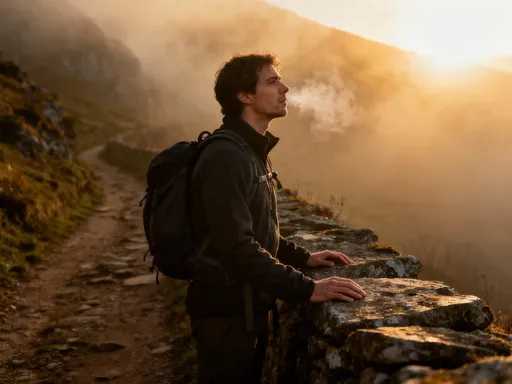
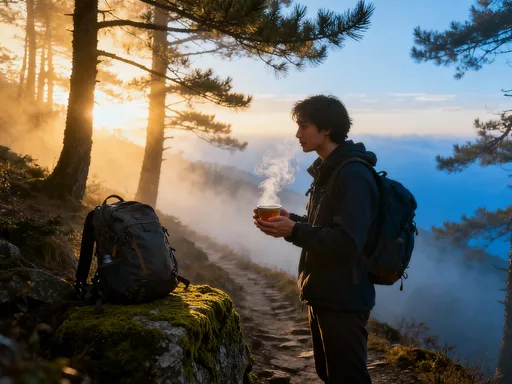
Travel is more than movement—it’s a quiet transformation woven into the rhythm of unfamiliar streets, shared meals, and unscripted moments. In a world chasing checklists, true journeying invites presence over pace. A sunrise over a misty rice terrace in Vietnam, the scent of fresh bread in a village bakery in Provence, or the soft hum of conversation in a Moroccan courtyard—these are not just scenes but soulful imprints. This article explores how thoughtful destination choices and intentional experiences cultivate lasting personal growth. Through practical insights and vivid storytelling, it reveals how travel, when designed with care, becomes not just escape—but evolution.
The Soul of the Journey: Redefining Travel Beyond Sightseeing
Modern travel often resembles a race—rushing from one landmark to the next, camera in hand, chasing the perfect image for social media. Yet beneath the surface of these hurried itineraries lies a growing desire for something deeper: meaning. The soul of the journey is not found in how many countries one visits, but in how fully one inhabits each moment. Experiential travel shifts the focus from accumulation to absorption, prioritizing emotional resonance over photo opportunities. It’s the difference between standing in front of a temple and truly feeling its history, between ordering a dish and understanding the story behind its ingredients.
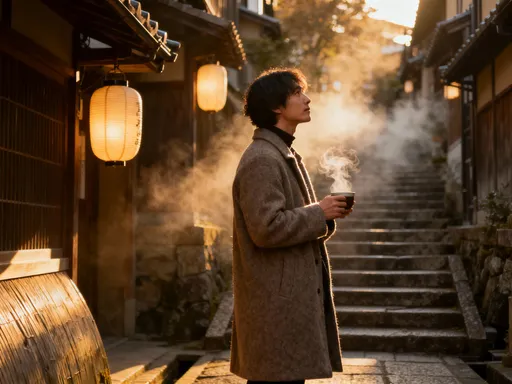
Consider the story of Maria, a school administrator from Ohio, who traveled to Kyoto not to tick off shrines but to sit quietly in Zen gardens. She spent an entire morning watching moss grow on ancient stones, listening to the wind through bamboo. That stillness, she later said, recalibrated her relationship with time. Her experience reflects a broader psychological truth: presence, not productivity, is the heart of transformation. When travelers slow down, they open themselves to connection—with place, with people, and with their inner selves. This emotional availability is where change begins.
So how does one cultivate this kind of travel? It starts with clarity. Before booking a flight, travelers benefit from asking: What do I hope to feel on this journey? Peace? Inspiration? Renewal? Curiosity? Identifying personal travel values—whether it’s simplicity, beauty, or connection—helps guide destination choices and daily decisions on the road. A woman seeking stillness might choose a remote lakeside cabin in Finland over a bustling city tour. Someone craving connection might opt for a homestay in Guatemala. Aligning travel with internal values transforms it from a series of events into a coherent narrative of growth.
Choosing Places with Purpose: Where to Go When Meaning Matters
Not all destinations offer the same depth of experience. While iconic cities like Paris or Rome dazzle with history and art, their very fame can create barriers to intimacy. Crowds, commercialization, and the pressure to “see it all” often dilute the emotional impact. In contrast, lesser-known regions—places where tourism has not yet reshaped daily life—can offer richer opportunities for authentic connection. These destinations, sometimes called “experience-dense,” provide high returns in terms of cultural insight, natural beauty, and human warmth, often with fewer logistical hurdles.
Data from the Global Wellness Institute shows that travelers to rural Bhutan, for example, report higher levels of personal reflection and emotional well-being than those visiting more conventional hotspots. This is no accident. Bhutan measures national success not by GDP but by Gross National Happiness, and its tourism policy reflects that philosophy. Visitors are required to travel through licensed operators, which limits numbers and ensures cultural preservation. The result is a journey that feels intentional, respectful, and deeply immersive. Similarly, regions like Albania’s Theth Valley, Georgia’s Svaneti region, or Portugal’s Alentejo coast offer compelling alternatives—places where traditions endure, landscapes remain unspoiled, and hospitality feels genuine rather than performative.
When evaluating destinations, travelers should consider three key criteria: authenticity, cultural continuity, and openness. Authenticity means the place feels true to itself, not staged for tourists. Cultural continuity refers to the presence of living traditions—crafts, festivals, languages—that have been passed down through generations. Openness indicates how welcoming a community is to outsiders, not just in attitude but in structure—do they offer homestays, local guides, or community-led tours? These qualities create the conditions for transformation. A village in northern Laos where families still weave textiles using ancestral techniques offers more fertile ground for connection than a theme-park version of culture in a tourist district.
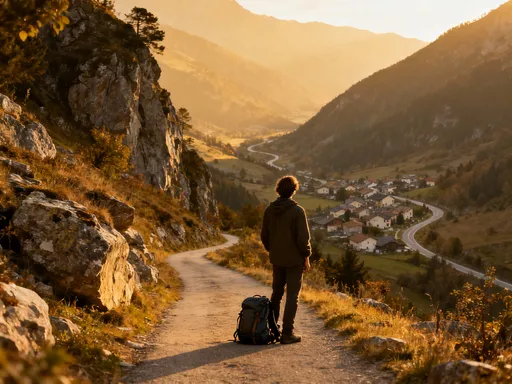
Of course, accessibility matters. The ideal transformative destination balances remoteness with practicality. It should be reachable without excessive strain but distant enough from mass tourism to retain its character. For many, this sweet spot lies in second-tier cities or rural regions within well-connected countries—think Oaxaca instead of Cancun, or Umbria instead of Venice. The goal is not to seek hardship, but to find places where the rhythm of life hasn’t been distorted by the demands of tourism. These are the landscapes where travelers are most likely to return changed.
Designing the Rhythm: Pacing Your Trip for Presence
The pace of a trip shapes its emotional texture. A tightly packed itinerary, while efficient, often leads to fatigue rather than fulfillment. Travelers may see more, but they feel less. The human mind needs space to absorb, reflect, and integrate new experiences. This is where tempo stewardship comes in—the deliberate management of time and rhythm to protect moments of presence. Slowing down is not a luxury; it is a necessity for meaningful travel.
Psychological studies have shown that cognitive overload—a state caused by too many new stimuli in too short a time—reduces memory retention and emotional engagement. When travelers move from museum to market to monument without pause, their brains struggle to process each experience. The result is a blur of images with little emotional depth. In contrast, travelers who build in rest, repetition, and open time report higher levels of satisfaction and personal insight. They are more likely to remember small details: the pattern of light on a church wall at dusk, the laughter of children playing in a plaza, the taste of a fruit they’ve never tried before.
One effective strategy is the use of “anchor moments”—intentionally scheduled experiences that serve as emotional touchstones. These might include a sunrise hike, a long meal with locals, or a visit to a sacred site. By giving these moments space before and after, travelers allow them to breathe and resonate. Complementing this is the practice of “open hours”—blocks of unstructured time with no plans. These windows invite spontaneity: a conversation with a stranger, a detour down a quiet alley, a nap in a sunlit courtyard. They are the fertile ground for serendipity.
Consider the case of David, a retired engineer from Toronto, who spent ten days in Andalusia. Instead of visiting five cities, he chose one—Granada—and stayed in a small guesthouse near the Albaicín neighborhood. Each morning, he walked without destination, letting curiosity guide him. One afternoon, he stumbled upon a flamenco rehearsal in a community center and was invited to watch. That unplanned hour became the emotional core of his trip. His story illustrates a simple truth: doing less often means experiencing more. When the schedule is light, the soul has room to expand.
Beyond the Brochure: Immersive Experiences That Resonate
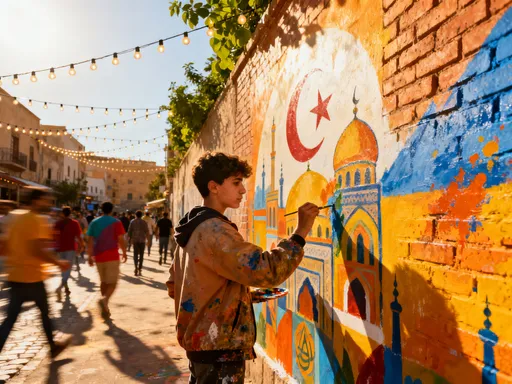
The most memorable travel moments rarely come from guidebooks. They emerge in the spaces between plans—in kitchens, workshops, and village squares where life unfolds naturally. True immersion happens when travelers step off the script and into the rhythm of local existence. These experiences—cooking with a family in Tuscany, harvesting olives in Tunisia, walking the Camino de Santiago—create lasting memories because they engage the senses, the emotions, and the body.
Such activities do more than entertain; they build empathy. When a traveler peels vegetables beside a grandmother in a Vietnamese kitchen, they are not just learning a recipe—they are participating in a daily ritual of care and continuity. When they walk a pilgrim path for days, they share in a tradition of perseverance and reflection. These moments dissolve the boundary between visitor and local, between “them” and “us.” Behavioral science confirms this: shared activities increase trust and connection more than passive observation ever can. The brain registers participation as belonging, even if temporary.
Travelers seeking these experiences need not look far. Many communities now offer structured opportunities for engagement—cooking classes, craft workshops, farm stays, cultural exchanges. The key is to choose with intention. A mass-market cooking demo with ten other tourists offers less depth than a private session in someone’s home. Respectful engagement matters. This means approaching locals as teachers, not performers; asking permission, listening more than speaking, and showing gratitude. It also means being mindful of cultural norms—dress, timing, topics of conversation.
Testimonials from travelers consistently highlight these experiences as transformative. Sarah, a nurse from Melbourne, joined a women’s weaving cooperative in Oaxaca. Over three days, she learned to spin wool and dye thread using natural pigments. “I didn’t just make a scarf,” she said. “I felt part of something ancient and female and strong.” Her words capture the power of immersion: it connects us to larger human currents, to traditions that outlast us. These are the experiences that linger long after the tan fades.
The Tools of Intention: Packing Light, Planning Deep
Preparation is the unseen foundation of transformative travel. What travelers pack—and what they leave behind—shapes their experience more than they realize. Physical minimalism supports mental openness. A heavy suitcase full of “just in case” items creates literal and symbolic burden. In contrast, packing light—enough for comfort, not excess—frees the traveler to move easily, adapt quickly, and focus on what matters. It sends a quiet message: I am ready to receive, not control.
Digital detox planning is equally important. Constant connectivity fragments attention. Checking emails, scrolling through social media, or uploading photos in real time pulls the traveler out of the present moment. Studies show that people who limit screen use while traveling report higher levels of mindfulness and emotional satisfaction. This doesn’t mean abandoning technology altogether—smartphones are valuable for navigation and communication—but using them with intention. Setting boundaries—like no devices during meals or after 7 p.m.—creates space for deeper engagement.
Equally powerful is the practice of pre-trip research that goes beyond logistics. Instead of only checking flight times and hotel reviews, travelers can study the history, values, and daily rhythms of their destination. Learning a few phrases in the local language, understanding a festival’s significance, or reading a novel set in the region all build emotional context. This kind of preparation is not about becoming an expert, but about arriving with respect and curiosity.
One innovative tool is the “intention map”—a simple exercise done before departure. On a single page, travelers write down their emotional goals: to feel wonder, to listen deeply, to let go of control. They might include a personal mantra or a small symbol that represents their purpose. This map isn’t shared or judged; it’s a private compass. Data from travel psychology surveys indicate that those who set internal goals report greater fulfillment than those focused solely on external achievements. The intention map turns travel into a conscious practice, not just a vacation.
Navigating the In-Between: Finding Magic in Transit and Delay
Transformation rarely follows a straight path. Some of the most profound travel moments happen in the liminal spaces—in train stations, on long bus rides, during flight delays. These in-between times, often seen as inconveniences, are actually rich with potential. They suspend the usual routines, creating openings for reflection, observation, and unexpected connection. The delayed flight, the wrong turn, the missed bus—these are not failures, but invitations.
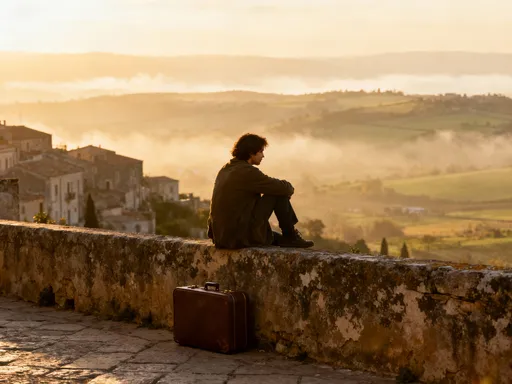
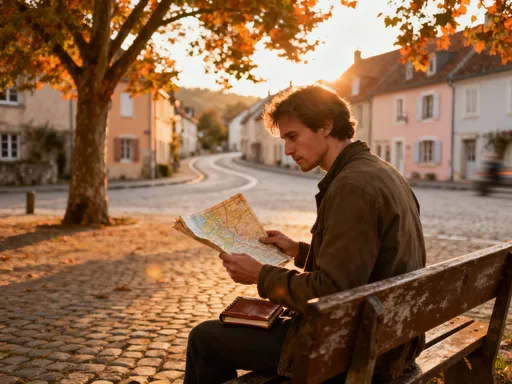
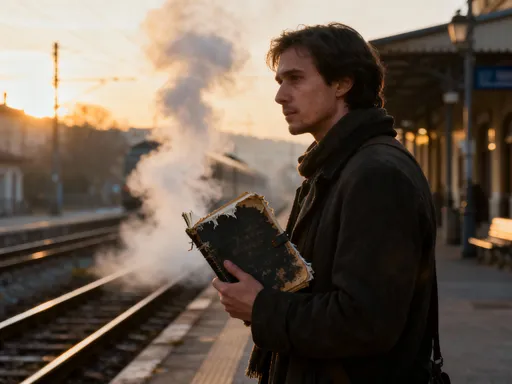
Consider the story of Elena, a teacher from Chicago, whose train from Innsbruck to Venice was delayed by two hours. Frustrated at first, she eventually sat down at a small café near the platform. She ordered tea, opened her journal, and began to write. A local woman noticed her struggling with German and offered help. They ended up talking for an hour about books, motherhood, and the Alps. That conversation, unplanned and unremarkable on the surface, stayed with Elena for years. It reminded her that connection is always possible, even in transit.
The mindset shift is crucial. Instead of resisting delays, travelers can learn to lean into them. Small practices support this: carrying a notebook for journaling, bringing a book of poetry, or simply practicing mindful observation—notice the colors, sounds, and rhythms around you. These habits keep the mind open rather than restless. Airlines and rail companies now recognize this, designing lounges and stations with more seating, natural light, and quiet zones. The infrastructure is changing; the traveler’s attitude must evolve too.
Even the act of moving—from airport to taxi, from station to hostel—can be ritualized. Instead of rushing, one might pause to take three deep breaths, to notice the air, the light, the language. These micro-moments of awareness anchor the traveler in the present. They transform transit from dead time into living space. And sometimes, as in Elena’s case, they become the heart of the journey.
Bringing It Home: Carrying the Journey Forward
The true measure of a transformative trip is not what happens on the road, but what endures afterward. Too often, travelers return home and slip back into old patterns within days. The magic fades, the insights blur, and life resumes as before. Yet this need not be the case. With intentional practice, the journey can continue long after the suitcase is unpacked.
One powerful method is post-travel reflection. Setting aside time—perhaps a quiet morning or a weekly ritual—to revisit the experience through journaling, photo review, or conversation helps solidify lessons learned. Questions like “What surprised me?” or “When did I feel most alive?” prompt deeper understanding. Some travelers create a memory box—a collection of small souvenirs: a seashell, a ticket stub, a pressed flower. These tangible anchors keep the journey alive in daily life.
Sharing stories with purpose is another way to extend the impact. Instead of scrolling through photos for friends, one might host a small dinner and serve a dish learned abroad, telling the story behind it. This turns memory into meaning, experience into gift. Schools, community centers, and book clubs often welcome travel talks—not as lectures, but as shared reflections. The act of storytelling deepens the traveler’s own understanding while inspiring others.
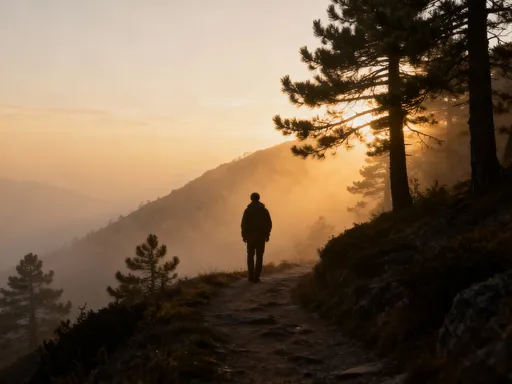
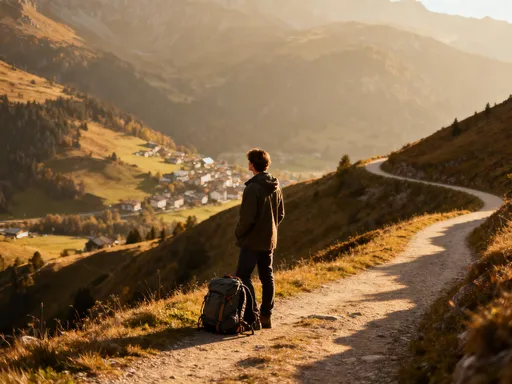
Ultimately, transformative travel is not about escaping life, but about returning to it with new eyes. It’s about carrying the stillness of a mountain dawn into a busy workweek, or the generosity of a stranger into daily interactions. The world doesn’t change in a single trip—but the traveler does. And when one person sees more clearly, acts more kindly, or lives more intentionally, the ripple begins. Travel, at its quietest and deepest, is not a break from life—it is a rebirth within it.